A well-maintained vehicle speaks volumes about you as an owner. More importantly, it will not desert you when you need it most. Read on for some great tips!
Engine Oil: To prevent engine deterioration, it is imperative that the engine maintains the amount of oil it is programmed to receive. Negligence in this aspect will lead to a deteriorating engine performance, resulting in falling mileage.
Lights: It is important for the lights to be properly focused, for your own and for the oncoming vehicle’s safety. Travel on low beam so that it does not obstruct your view instead of helping you along.
Tire Pressure: The required amount of air pressure needs to be strictly maintained if your car is to get the right mileage and pick-up.
More automotive maintenance tips…
- Get your vehicle serviced only at authorized automotive service technicians
- Check the engine oil level once every two weeks. Also check the levels of coolant and water in the radiator and battery.
- Always use genuine replacement parts.
- Avoid accelerating and braking abruptly.
- Turn off the engine whenever you expect to wait.
- Drive at a moderate speed.
- Use air-conditioning only when necessary.
- Avoid riding on the clutch pedal, and release the clutch pedal fully while driving.
- Maintain optimum air pressure in your tire to improve mileage.

Preventative Measures
Air Filter:
Check it every month. Replace it when it becomes dirty or as part of a tune–up.
Battery:
Extreme caution should be taken while handling a battery since it can produce explosive gases. It is advisable not to smoke, create a spark or light a match near a battery. Always wear protective glasses and gloves.
Belts & Hoses:
Replace glazed worn or frayed belts. Replace bulging, rotten or brittle hoses and tighten clamps. If a hose looks bad, or feels too soft or too hard, it should be replaced.
Brake Fluid:
Check it monthly. First wipe dirt from the brake master cylinder reservoir lid. Pry off the retainer clip and remove the lid or unscrew the plastic lid, depending on which type your vehicle has. If you need fluid, add the improved type and check for possible leaks throughout the system. Do not overfill.
Engine Oil:
Check the oil after every fill up. Remove the dipstick, wipe it clean. Insert it fully and remove it again. If it is low, add oil. To maintain peak performance, the oil should be changed every 3,000 miles or 3 months, whichever comes first. Replace the oil filter with every oil change.
Lights:
Make sure that all your lights are clean and working, including the brake lights, turn signals and emergency flashers. Keep spare bulbs and fuses in your vehicle.
Oil Filter:
To maintain peak performance, change oil every 3 months or 3,000 miles, whichever comes first. Replace the oil filter with every oil change.

Power Steering Fluid:
Check the power steering fluid level once per month. Check it by removing the reservoir dipstick. If the level is down, add fluid and inspect the pump and hoses for leaks.
Shock Absorbers:
Look for signs of oil seepage on shock absorbers, test shock action by bouncing the car up and down. The car should stop bouncing when you step back. Worn or leaking shocks should be replaced. Always replace shock absorbers in pairs.
Transmission Fluid:
Check transmission fluid monthly with engine warm and running, and the parking brake on. Shift to drive, then to park. Remove dipstick, wipe dry, insert it and remove it again. Add the approved type fluid, if needed. Never overfill.
Washer Fluid:
Keep the windshield washer fluid reservoir full. Use some of it to clean off the wiper blades. Wiper Blades Inspect the windscreen wiper blades whenever you clean your windshield. Do not wait until the rubber is worn or brittle to replace them. They should be replaced at least once per year, and more often if smearing occurs.
Don’t Overlook Your Wheel Alignment
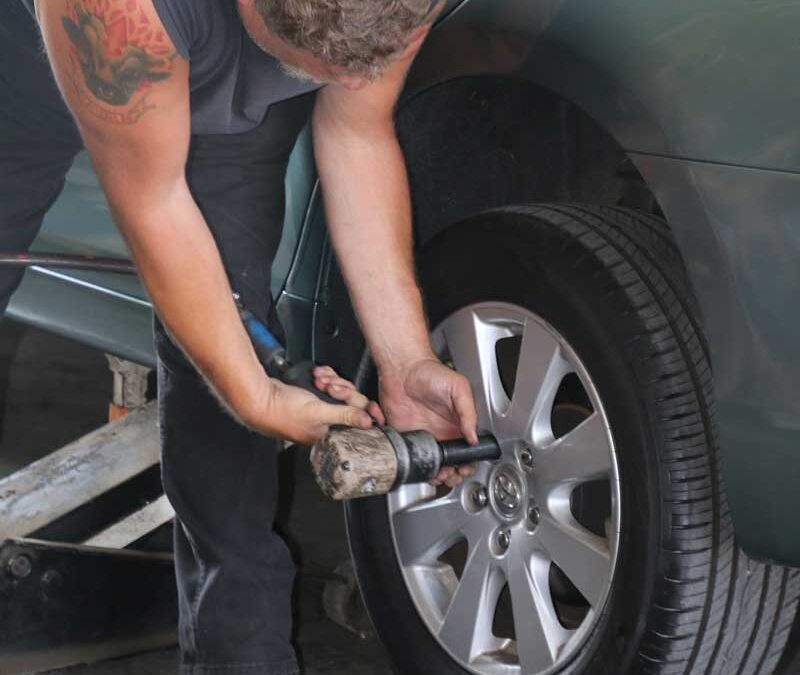
Most drivers forget about wheel alignment until the steering wheel starts pulling or tires wear unevenly. But regular alignment checks (recommended every 6,000–10,000 miles or after hitting a major pothole) can seriously improve your vehicle’s handling and extend tire life. Misalignment affects gas mileage too—according to the U.S. Department of Energy, poor alignment can drop fuel efficiency by up to 10%.
Signs you need an alignment:
- Vehicle pulls to one side
- Crooked steering wheel
- Uneven or rapid tire wear
- Squealing tires on turns
Getting your wheel alignment adjusted isn’t just about smoother rides—it’s about safety, tire savings, and long-term fuel economy.

Fuel System TLC: Clean Injectors, Better Performance
Here’s one maintenance area that most people totally ignore—fuel injectors. These tiny nozzles can clog over time, especially if you’re not using top-tier gasoline. Clogged injectors lead to poor acceleration, engine knocking, and worse gas mileage.
Pro tip: A professional fuel injector cleaning service every 25,000–30,000 miles can restore lost performance. Or, use a fuel system cleaner additive monthly—it’s a cheap, easy DIY win.
If your car feels sluggish or idle’s rough, this might be why. Plus, clean fuel systems can boost fuel economy by 2–5%, depending on your driving habits and vehicle model.
Embrace Smart Diagnostics: OBD-II Tools Are Game Changers
Welcome to 2025—your car is basically a computer on wheels. Instead of guessing what’s wrong when that pesky check engine light comes on, use an OBD-II scanner (On-Board Diagnostics). These devices read trouble codes straight from your car’s computer system, often pinpointing the exact issue—saving time and money.
Why you need one:
- Saves trips to the mechanic
- Alerts you to problems before they get serious
- Many scanners connect via smartphone apps
- Ideal for DIY diagnostics or quick pre-inspection checks
Whether you’re a seasoned DIYer or just want to keep tabs on your car’s health, investing in a Bluetooth car diagnostic tool is a no-brainer in today’s tech-savvy auto world.
If you have any questions about caring or maintaining your vehicle, please don’t hesitate to contact Dale at All Around Auto Repair (707) 837-0646.