There are few things more frustrating than walking out to your car in the morning, turning the key, or pressing the start button, and hearing nothing. The battery is dead. Again. You jump-start the car, it runs fine all day, and then the next morning… the same problem.
If this sounds familiar, you may be dealing with a parasitic battery drain.
Parasitic draws are one of the most misunderstood electrical problems in modern vehicles. They don’t always trigger warning lights, they can be intermittent, and they often lead drivers to replace batteries repeatedly without ever fixing the real issue.
In this blog, we’ll explain what parasitic draw is, why it happens, how professional testing works, and why proper diagnosis is the only way to stop overnight battery drain for good.
What Is a Parasitic Battery Drain?
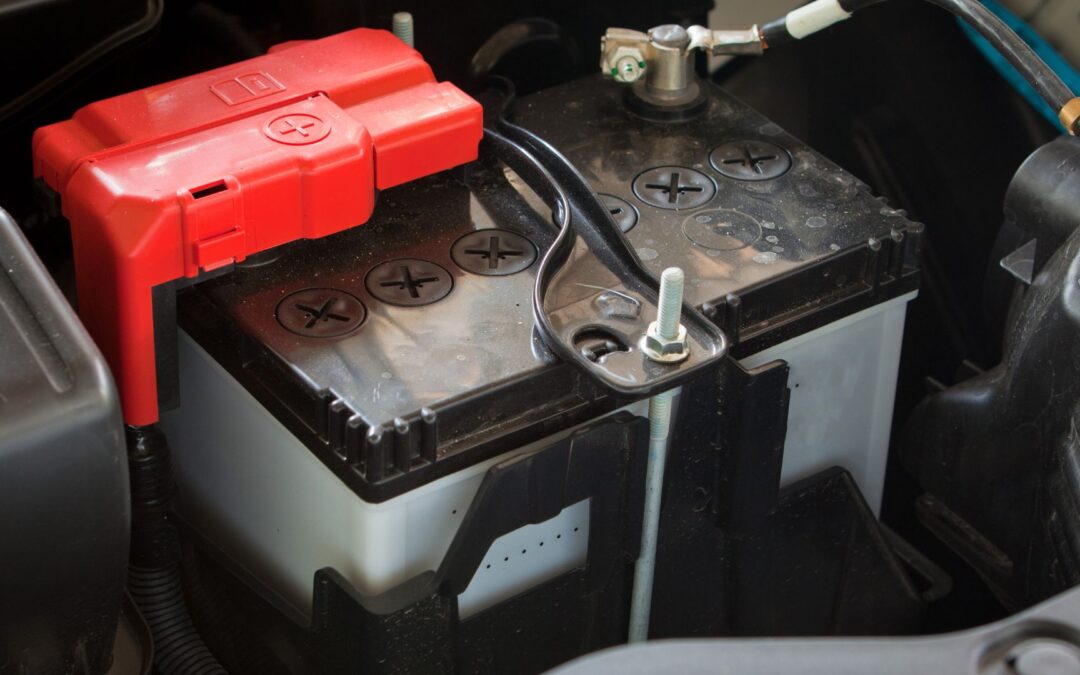
A parasitic draw occurs when an electrical component continues to consume power after the vehicle is turned off. While some power draw is normal, such as memory for the clock, radio presets, and security systems, excessive draw will drain the battery over hours or days.
In a healthy vehicle, the battery should retain enough charge to start the car after sitting unused for several days. If your battery dies overnight or within a day or two, something is pulling more power than it should.

Why Jump-Starting or Replacing the Battery Doesn’t Fix the Problem
Many drivers assume the battery itself is bad. While batteries do wear out, repeated overnight failures usually indicate an underlying electrical issue, not just an aging battery.
Common mistakes include:
- Replacing the battery multiple times
- Jump-starting repeatedly without diagnosis
- Assuming cold weather is the only cause
- Ignoring the problem until the car won’t start at all
If a parasitic draw exists, even a brand-new battery will eventually fail. In fact, repeated deep discharges can permanently damage new batteries, shortening their lifespan significantly.
Common Signs of a Parasitic Battery Drain
Parasitic draws don’t always show obvious symptoms while driving. Warning signs usually appear when the car is parked.
Common indicators include:
- Battery dead after sitting overnight
- Battery dies after 1–2 days of not driving
- Electrical components staying on when car is off
- Random interior or exterior lights
- Clicking sounds from relays after shutdown
- Battery warning light appearing intermittently
If your vehicle starts fine when driven daily but fails after sitting, parasitic draw is highly likely.
What Causes Parasitic Battery Drain?
Modern vehicles contain dozens of electronic modules, and any one of them can cause excessive draw if it malfunctions.
Common causes include:
- Interior or trunk lights staying on
- Glove box or hood lights malfunctioning
- Faulty door or latch switches
- Stuck relays
- Aftermarket alarms or remote starters
- Infotainment systems not shutting down
- Faulty control modules
- USB chargers or accessories plugged in
- Corroded wiring or poor grounds
As vehicles become more technologically advanced, parasitic draw issues have become more common,and more complex.

Why Parasitic Draw Is Hard to Diagnose Without Professional Tools
Parasitic draw problems are rarely obvious. The component causing the drain may:
- Shut off intermittently
- Activate only after the vehicle is locked
- Draw power only at certain times
- Be tied to a control module logic fault
This makes “guess-and-replace” repairs ineffective and expensive.
Proper diagnosis requires patience, precision, and the right equipment.
How Parasitic Draw Testing Works
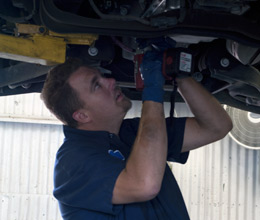
At All Around Auto Repair, parasitic draw testing follows a systematic, professional process designed to identify the exact source of battery drain.
Step 1: Confirm Battery and Charging System Health
Before testing for parasitic draw, we ensure:
- The battery is fully charged and load-tested
- The alternator is charging properly
- No charging system faults exist
A weak battery or failing alternator can mimic parasitic draw symptoms.
Step 2: Measure Key-Off Current Draw
With the engine off and all systems shut down, a digital ammeter is connected to measure how much current the vehicle draws at rest.
Most vehicles should draw less than 50 milliamps (0.05 amps) once all modules go to sleep.
If the draw exceeds specifications, a parasitic drain is confirmed.
Step 3: Allow Modules to Go to Sleep
Modern vehicles don’t shut down immediately. Some systems remain active for several minutes after the car is turned off.
Technicians must:
- Lock the vehicle
- Wait for all modules to enter sleep mode
- Monitor current draw over time
Skipping this step can lead to false readings.
Step 4: Isolate the Circuit Causing the Drain
Once excessive draw is confirmed, technicians begin isolating circuits by:
- Pulling fuses one at a time
- Monitoring changes in current draw
- Identifying which circuit causes the drop
This step narrows the problem to a specific system.
Step 5: Pinpoint the Faulty Component
After identifying the circuit, technicians inspect:
- Control modules
- Relays
- Switches
- Wiring
- Accessories
This step determines whether the issue is a stuck relay, faulty module, shorted wire, or aftermarket accessory.

Why DIY Testing Often Fails
While online videos make parasitic draw testing look simple, DIY attempts often result in:
- False readings
- Missed intermittent faults
- Damage to vehicle electronics
- Hours of frustration
Without proper tools and vehicle-specific knowledge, identifying the root cause is extremely difficult.
Why Ignoring Parasitic Draw Is Expensive
Letting parasitic drain continue can lead to:
- Repeated battery replacements
- Alternator strain
- Corrupted control modules
- Electrical system damage
- Unexpected breakdowns
Repeated battery failures also damage internal battery plates, making future batteries fail faster.
How Long Should a Healthy Battery Last Without Driving?
In a properly functioning vehicle:
- A healthy battery should last at least 2–3 weeks without driving
- Some vehicles can sit even longer
If your battery dies overnight or within a few days, something is wrong.
How Parasitic Draw Affects Resale Value
Electrical issues raise red flags for buyers. A history of battery problems suggests:
- Poor maintenance
- Hidden electrical faults
- Future repair costs
Fixing parasitic draw improves reliability and resale confidence.
Preventing Parasitic Battery Drain
While not all causes are preventable, good habits help:
- Avoid low-quality aftermarket electronics
- Remove unused accessories
- Keep battery terminals clean
- Address warning signs early
- Get regular electrical system inspections
Final Thoughts: Don’t Let a Hidden Drain Keep Stranding You
A battery that keeps dying overnight isn’t just inconvenient, it’s a sign that your vehicle’s electrical system needs attention.
Parasitic draw testing takes time, precision, and experience, but when done correctly, it permanently solves the problem instead of masking it.
At All Around Auto Repair, we don’t guess, we diagnose. Our technicians track down hidden electrical drains and restore your vehicle’s reliability, so you’re not left stranded again.
Schedule an Electrical Diagnostic Today
📞 (707) 837-0646
📍 1244 Central Ave, Santa Rosa, CA 95401
🌐 allaroundautorepair.com
All Around Auto Repair — Repair. Maintenance. Service. Since 2001.
Trusted experts in battery testing, parasitic draw diagnostics, and complete automotive electrical repair.