Picture this: you’re rushing out the door, coffee in one hand, keys in the other. You hop into your car, turn the key, or press the start button, and hear nothing but a weak click. Your battery is dead, and your day just got a lot more complicated.
Most drivers only think about their battery when it’s already too late. A quick jumpstart might get you moving again, but it doesn’t fix the underlying issue. The truth is, your car’s battery and charging system work hard every single day, and when they fail, they rarely give you much notice. That’s why professional battery testing is one of the smartest preventive services you can get.
In this blog, we’ll explain why batteries fail, how climate and driving habits play a role, and why testing is far cheaper than waiting for a tow truck.
Why car batteries fail faster than you think
Car batteries aren’t built to last forever. Most have a lifespan of three to five years, but many fail earlier depending on driving conditions. Two of the biggest culprits are extreme weather and short driving habits.
The Impact of Cold Weather
When temperatures drop, your engine requires more power to crank. At the same time, cold slows the chemical reaction inside the battery, reducing its ability to provide current. That’s why batteries often die in the middle of winter.
The Impact of Hot Weather
Surprisingly, hot weather is just as bad, if not worse. Heat accelerates the chemical reaction inside the battery, which leads to fluid evaporation and internal corrosion. A summer of 95-degree days can shorten a battery’s lifespan significantly.

Short Trips and Modern Driving Habits
Another factor that kills batteries quickly? Frequent short trips. Your alternator recharges the battery while you drive, but it needs at least 15–20 minutes to replace the power used to start the car. If you’re only driving a few miles to work or the store, your battery never fully recharges. Over time, it weakens until one day it can’t start the car at all.
Is it the battery or the alternator?
Here’s where things get tricky: not every starting issue is caused by the battery. Sometimes the problem lies with the alternator, the component responsible for recharging the battery while the engine runs.
- A weak battery struggles to hold a charge and eventually can’t crank the engine.
- A failing alternator might leave the battery drained even if the battery itself is still good.
To the average driver, the symptoms look the same: dim lights, slow cranking, or a dead car. That’s why professional testing is essential, it pinpoints the real cause so you don’t waste money on the wrong repair.
What a Professional Battery Test Involves
Battery testing isn’t just about checking voltage. A proper test includes:
- Load Testing: Measures the battery’s ability to deliver power under stress, like when starting the engine.
- Charging System Test: Ensures the alternator is recharging the battery correctly.
- Visual Inspection: Looks for corrosion, loose cables, or leaks that can affect performance.
With the right equipment, a shop can tell you within minutes if your battery is healthy, weak, or on the verge of failure.

The cost savings of early replacement
Many drivers hesitate to replace a battery until it completely dies. But waiting can cost far more than the price of a new battery.
- Tow Truck Fee: Getting stranded on the highway or in a parking lot often means calling a tow truck. That alone can cost $100 or more.
- Lost Time: A dead battery always seems to happen at the worst possible moment, on the way to work, picking up kids, or before a road trip.
- Damage to Electronics: A failing battery or charging system can sometimes send voltage spikes that damage sensitive onboard computers.
By comparison, a battery test is quick, inexpensive, and gives you a clear picture of when replacement makes sense. Replacing a weak battery on your own schedule is always cheaper, and less stressful, than dealing with a breakdown.
Warning Signs You Shouldn’t Ignore
While testing is the most reliable way to know your battery’s condition, your car will often give you hints when something is wrong:
- Slow Cranking: If the engine takes longer than usual to start.
- Dim Lights: Headlights or dashboard lights that flicker or look weak.
- Electrical Oddities: Windows or radio behaving inconsistently.
- Check Battery Light: A clear sign it’s time for diagnostics.
If you notice any of these symptoms, don’t wait until your car won’t start, schedule a test right away.
Why battery testing matters before extreme weather or road trips
Think of battery testing like insurance. Before winter sets in, a quick test can tell you if your battery is strong enough to handle freezing starts. Before a summer road trip, it ensures your battery won’t overheat and fail hundreds of miles from home.
It’s one of the simplest services you can get, but it provides peace of mind when you need it most.

Final thoughts: Beyond the jumpstart
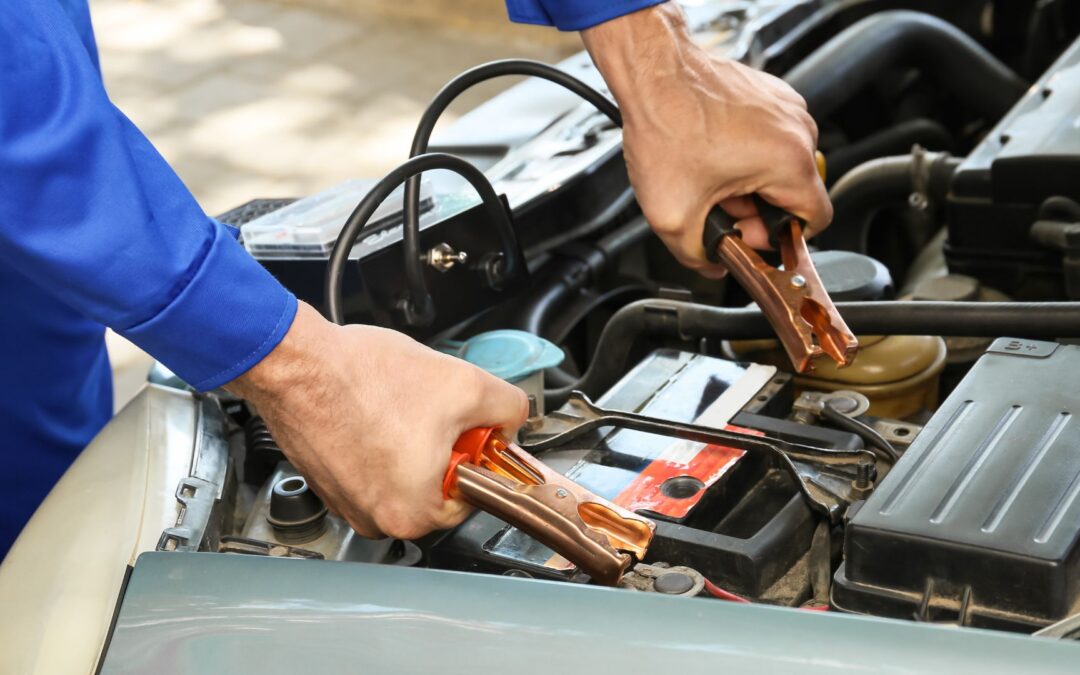
Jumpstarting a dead car might get you moving, but it doesn’t solve the real problem. Professional battery testing tells you what’s actually going on under the hood, whether your battery is weak, your alternator is failing, or your cables are corroded.
Instead of waiting for the next breakdown, take control. Test your battery regularly, especially before extreme weather or long trips. It’s a small investment that saves money, time, and stress in the long run.
📞 (707) 837-0646
📍 1244 Central Ave, Santa Rosa, CA 95401
🌐 allaroundautorepair.com
At All Around Auto Repair, we provide complete battery and charging system testing to keep you on the road with confidence. Don’t wait for a dead battery to ruin your plans, schedule a test today and drive worry-free.