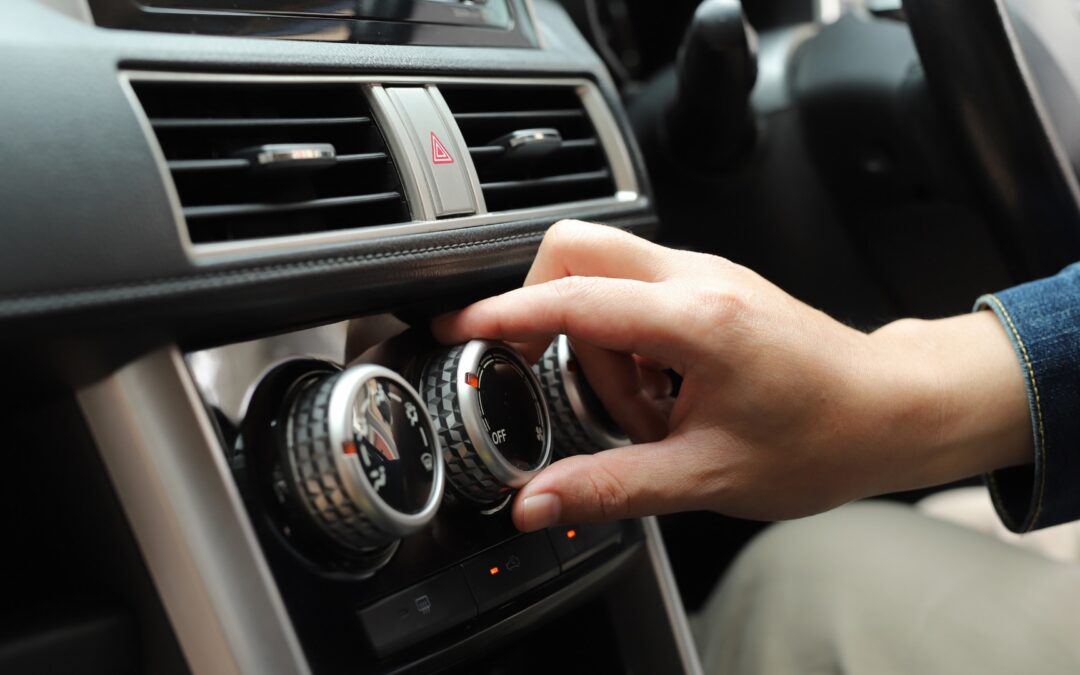
It’s something almost every driver notices at some point, especially during hot weather. You’re driving normally, the car feels responsive, and everything seems fine. Then you turn on the air conditioning. Suddenly, the car feels a little different. Acceleration seems slower. The engine feels heavier. The vehicle may take longer to respond when you press the gas pedal.
In some cars, the difference is subtle. In others, it’s impossible to ignore. This often leads drivers to wonder if something is wrong with their vehicle. In many cases, the answer is no. Running your air conditioning system naturally affects how your car performs because the A/C system requires power from the engine. The difference you feel is the result of additional workload being placed on the vehicle.
However, while some performance loss is completely normal, excessive sluggishness can also point to hidden issues that shouldn’t be ignored.

How the A/C System Places a Workload on the Engine
To understand why your car feels slower with the A/C on, it helps to look at how the air conditioning system actually works. Your A/C system is powered by a component called the compressor. The compressor is responsible for circulating refrigerant through the air conditioning system so it can remove heat from the cabin. Unlike many electrical systems in your car, the compressor is mechanically connected to the engine through a belt and pulley system.
This means the engine itself has to provide the energy needed to operate the A/C compressor. The moment you turn on the air conditioning, the engine suddenly has another major job to do. That additional load requires extra power.
Modern vehicles are designed to compensate for this automatically. The engine control system increases idle speed slightly and adjusts fuel delivery to handle the extra demand. In most cases, the transition is smooth enough that drivers barely notice it. But even with those adjustments, some performance loss is unavoidable. The engine is now dividing its power between moving the car and operating the A/C system. If you notice severe latency, it might be time to run a comprehensive vehicle diagnostics procedure to ensure your engine parameters are reacting correctly.
This effect is usually more noticeable in smaller vehicles or cars with smaller engines. A large engine typically has enough reserve power that the additional A/C load feels minor. But in smaller engines, especially four-cylinder vehicles, the compressor may consume a more noticeable percentage of available power. That’s why compact cars often feel slower or less responsive when the air conditioning is running, especially during acceleration or uphill driving.
The Double Impact of Hot Weather and Traffic Conditions
Temperature also plays a major role. Hot weather doesn’t just increase how much you use the A/C—it also affects engine performance directly. Engines rely on cool, dense air for efficient combustion. Hot air contains less oxygen, which reduces combustion efficiency and slightly lowers engine performance. Technical papers published by SAE International demonstrate that ambient air above 90°F drops air density enough to reduce natural engine horsepower by several percentages before any mechanical load is even engaged.
Once the compressor engages, the added load becomes even more noticeable. Traffic conditions can make the situation feel worse. In stop-and-go traffic, the engine constantly accelerates from low speeds while simultaneously running the A/C system. Airflow through the radiator is also reduced because the car isn’t moving quickly enough to generate strong cooling airflow naturally. This is why incorporating a check of the cooling system into your routine auto maintenance prevents severe sluggishness during summer peaks.

When Normal Sluggishness Turns Into a Mechanical Problem
While some reduction in responsiveness is completely normal, excessive performance loss may indicate a problem. One possible issue is an overworked or failing A/C compressor. A compressor that is beginning to fail may create excessive mechanical resistance when it engages. Instead of operating smoothly, it places abnormal strain on the engine. Drivers may notice stronger hesitation, roughness, or even shaking when the A/C turns on.
Low refrigerant levels can also affect system behavior. When refrigerant levels are incorrect, the A/C system may cycle improperly or force the compressor to work harder than intended. This not only affects cooling performance but can also influence how the engine feels while driving. Consumer guides from Consumer Reports point out that an improperly charged A/C loop can cause rapid cycling, which translates into an irritating “surging” sensation as the engine repeatedly gains and loses load, requiring an expert air conditioning service and repair checkpoint.
Dirty or clogged cabin and engine air filters may contribute as well. Restricted airflow forces the engine and climate control systems to work harder. While the effect may be subtle at first, combined with A/C usage it can make the car feel noticeably less responsive. Cooling system condition is another important factor. The engine and A/C system both generate heat. If the cooling system is already struggling due to aging coolant, weak fans, or radiator issues, the added thermal load from the A/C can affect overall performance.

Protecting Your Drive and Restoring Power
One reason this issue often worries drivers is because the change in feel happens immediately. The moment the A/C turns on, the engine response changes slightly. That instant contrast makes the performance difference feel larger than it actually is. But it’s important to recognize the difference between normal behavior and excessive symptoms. A slight reduction in acceleration is expected. Severe sluggishness, shaking, unusual noises, or dramatic power loss are not.
Safety evaluations managed by the NHTSA (National Highway Traffic Safety Administration) remind motorists that while built-in wide-open throttle cut-offs are designed to temporarily disable the A/C during panic acceleration, a failing compressor can still drag down engine response enough to impact safe highway merging limits.
At All Around Auto Repair, technicians evaluate both the air conditioning system and the engine systems that interact with it. Compressor performance, refrigerant levels, airflow, cooling system condition, and engine response are all checked to ensure everything is operating efficiently. This complete approach helps identify whether the performance difference is normal—or a sign that something needs attention.
If turning on the A/C makes your vehicle feel unusually slow, strained, or inconsistent, our experienced technicians are here to help. Let us ensure your car stays cool without compromising your safety or driving comfort.
To schedule a precise climate control evaluation or an engine health check, please contact All Around Auto Repair today.
📞 (707) 837-0646
📍 1244 Central Ave, Santa Rosa, CA 95401
All Around Auto Repair – Repair. Maintenance. Service. Since 2001.