Many modern vehicles are advertised as having “lifetime” transmission fluid, leading drivers to believe their transmission will never need servicing. It sounds remarkably convenient—and it certainly reduces advertised cost-of-ownership metrics on paper. But in the real world of daily driving, transmission fluid simply does not last forever.
Like every other operational chemical in your vehicle, transmission fluid gradually breaks down under constant exposure to age, severe thermal cycles, and mechanical shear forces. Ignoring your gearbox fluid for too long can lead to harsh shifting, delayed gear engagement, reduced fuel efficiency, and eventually catastrophic, premature transmission failure.
Understanding what manufacturers really mean by “lifetime” can help you make smarter maintenance decisions and extend the operational life of one of your vehicle’s most expensive mechanical assemblies.

The Manufacturer Warranty Definition vs. Real-World Driving Stress
The core issue with “lifetime” fluid lies in how the word “lifetime” is defined. In automotive marketing terms, a vehicle’s “lifetime” typically refers to the duration of the factory warranty period or its expected nominal design cycle—often around 60,000 to 100,000 miles—rather than the 200,000+ miles most owners expect to drive. Under pristine, laboratory-controlled driving conditions, fluid degradation occurs slowly. However, very few drivers operate in ideal conditions every day.
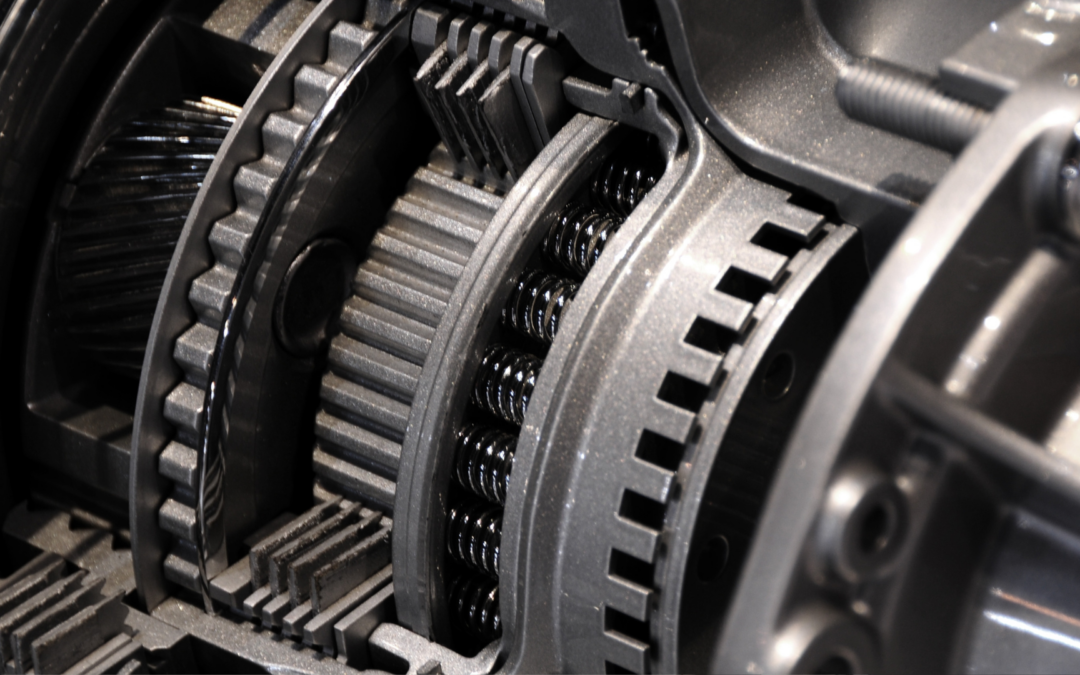
Stop-and-go city traffic, hot summer weather, steep mountain inclines, heavy towing, and frequent short trips all place immense thermal stress on the transmission. Transmission fluid isn’t just a lubricant; it is a complex hydraulic medium. It transfers hydraulic pressure to move gear sets, cools internal clutch packs, protects against corrosion, and sweeps away microscopic wear debris. As heat oxidizes the fluid’s additive package, its viscosity shears, drastically reducing its ability to protect internal bearings and planetaries.
Technical fluid dynamics studies published by SAE International reveal that operating automatic transmission fluid above its intended thermal threshold accelerates oxidation exponentially, causing internal seals to harden, crack, and lose pressure containment. Catching these fluid breakdown trends early during your scheduled routine auto maintenance updates is essential to keeping hydraulic line pressures fully stable.

Hydraulic Solenoid Contamination and Shifting Performance Degradation
As transmission fluid degrades, it collects fine metallic dust and clutch material from normal daily operation. Eventually, this suspended grit turns the fluid dark brown or black, creating a abrasive slurry that circulates directly through the delicate valving of the transmission control module. Drivers will begin to notice subtle shifting irregularities that signal fluid starvation.
Common symptoms of contaminated or oxidized fluid include:
- Delayed or sluggish gear engagement when shifting from Park to Drive
- Hard, abrupt gear changes during normal acceleration
- Engine RPM flare or gear slipping between gear changes
- Hesitation or hunting for gears on mild highway grades
- A distinct burnt odor coming from the dipstick or service port
These symptoms don’t necessarily mean the entire gearbox has failed, but they indicate that internal friction surfaces are suffering. Industry transmission diagnostic standards managed by the ASE (National Institute for Automotive Service Excellence) confirm that performing a fluid exchange before clutch slippage occurs stops varnish from binding internal shift solenoids, avoiding the need for an emergency transmission service and repair or total unit replacement.

Proactive Fluid Maintenance Safeguards Major Powertrain Investments
Waiting for severe shifting problems to appear before servicing your transmission is an expensive gamble. Once internal clutch plates lose their friction material due to degraded, contaminated fluid, fresh fluid alone cannot reverse the physical wear. Automotive reliability data compiled by Consumer Reports emphasizes that routine fluid exchanges conducted every 30,000 to 60,000 miles under real-world driving conditions can double the operational lifespan of an automatic transmission, saving owners thousands of dollars in unexpected drivetrain costs.
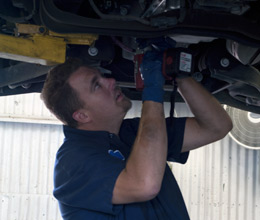
Comprehensive auto inspections are the best way to evaluate fluid health. At All Around Auto Repair, our technicians don’t rely on marketing buzzwords like “lifetime.” We physically inspect fluid clarity, test for chemical contamination, check for external pan seeps, and evaluate real-time gear changes on a lift.
Utilizing computerized vehicle diagnostics allows us to monitor live transmission fluid temperature sensors and scan for pending hydraulic pressure fault codes, ensuring your vehicle receives the exact fluid care required for your specific driving habits.
Your vehicle’s transmission is one of its most intricate, precision-engineered assemblies. Replacing its fluid at appropriate real-world intervals maintains smooth gear shifts, lowers internal operating temperatures, and protects your long-term automotive investment.
If you’ve never serviced your transmission fluid or your vehicle is approaching a major mileage milestone, let our experienced team inspect your drivetrain and provide honest, professional guidance.
To schedule a transmission fluid inspection or a digital drivetrain health check, please contact All Around Auto Repair today.
📞 (707) 837-0646
📍 1244 Central Ave, Santa Rosa, CA 95401
All Around Auto Repair – Trusted Auto Repair, Transmission Service & Maintenance Since 2001.