Almost every driver has experienced it at some point. You leave the repair shop after an oil change, start driving, and suddenly the car feels different. The engine seems smoother. Acceleration feels more responsive. The car feels quieter, lighter, and somehow more relaxed. Even people who don’t usually pay attention to how their car drives often notice it.
And then the question comes up: is it real, or is it just psychological? The answer is that it’s usually very real.
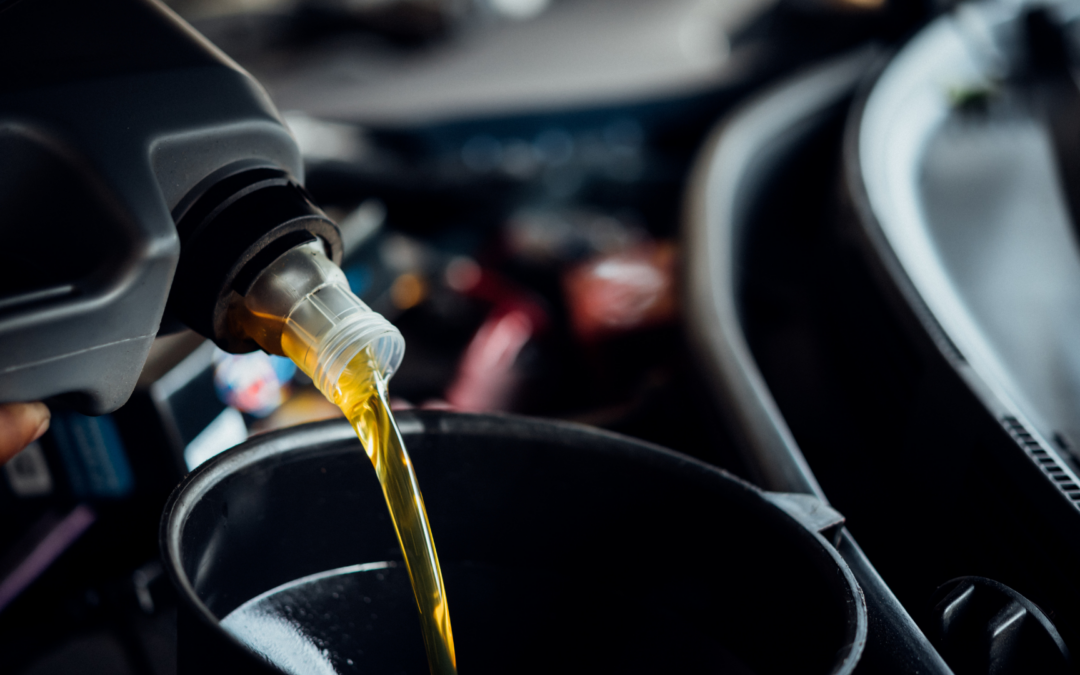
Motor oil has a massive influence on how your engine feels, sounds, and performs. While an oil change may seem like one of the simplest maintenance services your car receives, it directly affects nearly every moving component inside the engine. When fresh oil is circulating properly, the engine operates more efficiently, more smoothly, and with less internal resistance. That difference may not turn your car into a race car overnight, but it absolutely changes the way the vehicle feels on the road.

The Real Science of Reducing Internal Friction
Many drivers think oil only “lubricates the engine,” but its role is much bigger than that. Motor oil creates a protective layer between moving metal parts inside the engine. Components such as pistons, crankshafts, camshafts, valves, and bearings move at extremely high speeds and temperatures. Without proper lubrication, those metal surfaces would grind against each other, generating enormous heat and friction.
Fresh oil reduces that friction and allows the engine to move freely. The smoother those internal components move, the smoother the engine feels overall. Over time, however, oil begins to break down. Heat, combustion byproducts, moisture, and microscopic metal particles slowly contaminate the oil. As this happens, the oil loses viscosity and becomes less effective at protecting engine components.
Instead of flowing smoothly and evenly, old oil becomes thicker, dirtier, and less efficient. The engine can still operate, but it has to work harder internally. That extra resistance is one reason why a vehicle may feel sluggish or less responsive before an oil change. When fresh oil is added, that resistance decreases again. The engine suddenly feels freer because internal friction has been reduced. This effect is especially noticeable if your car requires deep vehicle diagnostics to clear performance bugs that were actually caused by sluggish, old fluid.
Viscosity Restoration and Hydraulic System Precision
Drivers often describe the engine as sounding “quieter” after an oil change, and there’s a good reason for that. Fresh oil cushions moving parts more effectively. It reduces metal-to-metal contact and absorbs some of the vibration and noise produced during engine operation. Technical lubricity logs published by SAE International prove that clean motor oil maintains a stable shear strength under pressure, preventing acoustic resonance caused by loose hydraulic lifters or micro-chatter along the camshaft.
Temperature also plays a major role. Fresh oil helps regulate engine heat by carrying heat away from internal components. When oil becomes old or contaminated, its cooling ability decreases. This can make the engine feel heavier or less efficient, especially during hot weather or stop-and-go driving. Fresh oil restores proper heat management, allowing the engine to maintain more stable operating conditions. This thermal stability contributes to that “alive” feeling many drivers notice after service, and it highlights why scheduling an oil changes appointment on time is critical.

Hydraulic Controls, Cleanliness, and Driver Contrast
Another reason your car may feel more responsive after an oil change is related to hydraulic engine components. Many modern engines use oil pressure to control systems such as variable valve timing (VVT). These systems adjust engine performance dynamically to improve efficiency and responsiveness. When oil quality declines, these hydraulic systems may not react as precisely or as quickly. Fresh oil restores stable pressure and cleaner flow, allowing these systems to function properly again, which can noticeably sharpen your throttle response.
Engine cleanliness also matters. As oil ages, sludge and deposits can begin forming inside the engine. Fresh oil contains detergents and additives designed to help keep the engine clean and prevent buildup. Consumer chemical data compiled by Consumer Reports outlines that the dispersant packages in fresh oil lock up soot particles before they can bond into thick sludge, ensuring that the critical internal pathways remain clear for lubrication.
There’s also a psychological component—but not in the way people think. Drivers gradually adapt to how their car feels over time. If performance slowly decreases because oil is aging, the change becomes normal without the driver realizing it. After an oil change restores smoothness and responsiveness, the difference feels dramatic because the driver is experiencing the engine closer to its intended condition again. It’s not imaginary; it’s contrast. The vehicle is operating more efficiently than it was before, which is easily verifiable during professional auto inspections.

Why Comprehensive Maintenance Outperforms Quick Drains
However, it’s important to understand that while an oil change improves engine operation, it does not fix underlying mechanical problems. If a vehicle still feels rough, sluggish, or noisy after fresh oil, there may be additional issues that need attention. Worn components, sensor problems, ignition issues, or airflow restrictions can all affect performance independently of oil condition. Industry evaluations from Carfax remind car owners that a well-documented history of fluid flushes directly preserves a car’s residual value and serves as an early safety net against catastrophic engine failures.
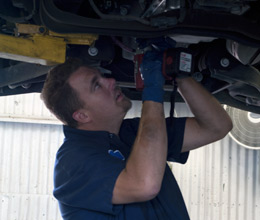
At All Around Auto Repair, oil changes are treated as more than just draining and refilling fluid. Technicians inspect the vehicle, check for leaks, monitor fluid condition, and evaluate overall engine health during service. This proactive approach helps catch small issues before they become major repairs.
That “alive” feeling after an oil change is your engine operating with less resistance and better protection. And over time, those regular oil changes don’t just improve how your car feels—they help extend the life of the engine itself. If your vehicle feels sluggish, noisy, or less responsive than it used to, it may be time for more than just another tank of gas.
To schedule your fresh fluid service and restore that crisp, responsive engine feel, please contact All Around Auto Repair today.
📞 (707) 837-0646
📍 1244 Central Ave, Santa Rosa, CA 95401
All Around Auto Repair – Repair. Maintenance. Service. Since 2001.