It happens more often than most drivers like to admit. Maybe you misjudged a tight parking spot, slid slightly during rain, or clipped a curb while turning. Sometimes it’s a small bump while parking, other times it’s a harder hit that makes your heart drop for a moment. At first glance, everything might seem fine. The car still drives, the tire isn’t flat, and there are no warning lights. But later, something feels different.
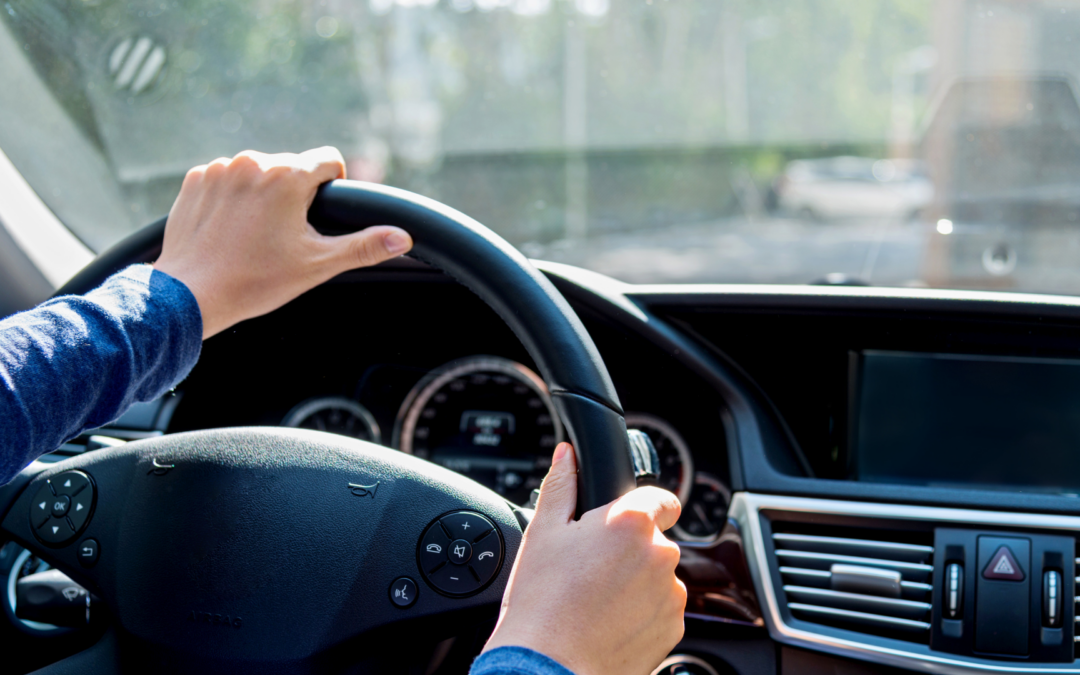
The steering might feel slightly off. The car might pull to one side. You may notice a vibration that wasn’t there before. Even a relatively minor curb impact can change how your vehicle behaves, and the reason lies in how precisely engineered modern suspension and steering systems are.
A vehicle’s suspension and steering components are designed to keep the tires properly aligned with the road. When everything is functioning correctly, the car drives straight, the tires wear evenly, and the steering wheel returns smoothly to center after a turn. When a curb is hit, however, the sudden impact can shift or damage components that control this balance.

Wheel Alignment and Tire Damage Risks
One of the most common results of a curb strike is wheel alignment changes. Wheel alignment refers to the precise angles at which your tires meet the road. These angles are carefully adjusted so the vehicle travels straight and handles predictably. When a tire strikes a curb, the force can knock these angles slightly out of position. Even a small change in alignment can cause the car to pull to one side or make the steering wheel sit crooked when driving straight.
Drivers often notice this change immediately after the incident. The car may no longer feel centered on the road, or it may require constant steering correction to stay straight. While this might seem like a minor annoyance, misalignment can cause uneven tire wear and reduce vehicle stability if left uncorrected, making it essential to schedule a routine auto maintenance check.
Tires themselves can also be affected by curb impacts. The sidewall of a tire is designed to absorb some shock, but it is also one of the most vulnerable areas. A hard curb strike can cause internal tire damage that may not be visible from the outside. Bulges, weakened sidewalls, or internal separation may develop over time. Educational materials from the U.S. Tire Manufacturers Association (USTMA) outline how sidewall impacts can permanently compromise the internal tire plies, leading to sudden blowouts even weeks after the initial hit.
Even if the tire holds air initially, internal damage can lead to vibration while driving or premature tire failure later. This is why inspecting the tire carefully after hitting a curb is important.

Bent Wheels and Hidden Suspension Strain
Another component that can be affected is the wheel itself. Alloy wheels, which are common on many modern vehicles, can bend slightly when they strike a curb. Sometimes the damage is obvious, with visible scuffs or dents. Other times the bend is subtle and only noticeable when driving at higher speeds. A slightly bent wheel can cause vibrations that feel similar to an unbalanced tire. Drivers often notice this vibration through the steering wheel, especially at highway speeds.
Beyond alignment, tires, and wheels, curb impacts can also affect suspension components. The suspension system includes parts such as control arms, ball joints, tie rods, and struts. These components work together to keep the wheels properly positioned while allowing them to move over bumps and uneven surfaces. When a curb is hit, the sudden force travels through the wheel into these components. In some cases, a tie rod may bend slightly, altering steering geometry, which requires deep vehicle diagnostics to safely isolate.
Even a small change in these parts can affect how the vehicle drives. Steering may feel less precise, the car may wander on the highway, or it may feel unstable when cornering. According to vehicle dynamic testing by Car and Driver, bent tie rods or control arms alter the steering angle completely, which prevents the vehicle from holding a straight line safely.

Steering Responsiveness and Braking Stability
Another area that can be affected is the vehicle’s steering system. Modern steering systems are designed for precision and responsiveness. When suspension geometry changes due to impact, the steering wheel may no longer return smoothly to center after a turn. Drivers sometimes notice that the steering feels heavier or that the car reacts differently to steering inputs after hitting a curb.
Braking performance can also be indirectly affected. If a wheel or suspension component shifts out of position, it may change how the tire contacts the road. Uneven tire contact can reduce braking stability or cause the vehicle to pull slightly when braking. In more severe curb impacts, brake components themselves could be affected if the wheel shifts enough to stress nearby parts. This means you might need immediate brake repair and alignment alignment adjustment to restore security.
One of the reasons curb damage is sometimes overlooked is that modern vehicles are built to be durable. The car may continue to drive without obvious issues immediately after the impact. However, small misalignments and hidden damage can slowly worsen over time. Road safety guidelines by the National Safety Council (NSC) highlight that driving with uncorrected structural impact damage accelerates wear on related parts and creates a severe safety hazard during highway maneuvers.
This is why technicians often recommend an inspection anytime a vehicle hits a curb hard enough to be noticeable. A professional inspection can check alignment angles, inspect suspension components, and ensure the wheels and tires are still structurally sound. Wheel alignment checks are especially important because they reveal whether the vehicle’s geometry has changed. Correcting alignment early prevents uneven tire wear and restores proper handling.
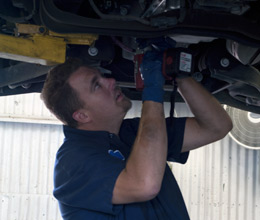
At All Around Auto Repair, technicians understand how suspension and steering systems respond to sudden impacts. A thorough inspection can identify alignment issues, wheel damage, or worn suspension components before they lead to bigger problems. Restoring proper alignment and addressing any hidden damage ensures your car drives smoothly, safely, and predictably again.
If your vehicle feels different after hitting a curb, even slightly, it’s worth having it checked. Small adjustments today can prevent uneven tire wear, handling issues, and more expensive repairs later. If you’ve recently hit a curb and your car doesn’t feel quite the same, our team is here to help.
To schedule an immediate check-up and keep your drive safe, please contact All Around Auto Repair today.
📞 (707) 837-0646
📍 1244 Central Ave, Santa Rosa, CA 95401
All Around Auto Repair – Repair. Maintenance. Service. Since 2001.