If your car has ever pulled slightly to one side, your steering wheel feels off-center, or your tires seem to be wearing unevenly, your vehicle might be telling you something important: it’s time for a wheel alignment.
While it’s one of the most overlooked maintenance services, a proper alignment affects almost every aspect of how your vehicle drives, from safety and comfort to fuel efficiency and long-term repair costs.
In this blog, we’ll cover everything you need to know about when to get a wheel alignment, how driving conditions influence alignment health, and the hidden costs of ignoring this essential service.
What is a wheel alignment, really?
A wheel alignment isn’t about your tires, it’s about the angles at which your tires make contact with the road. Over time, those angles drift due to normal driving wear or road impacts.
During a professional alignment, a technician adjusts three key angles:
- Camber: The inward or outward tilt of the tires when viewed from the front.
- Caster: The angle of the steering pivot, which helps your car maintain straight-line stability.
- Toe: How much the tires turn inward or outward when viewed from above.
When all these angles are correctly aligned according to manufacturer specifications, your tires sit perfectly flat on the road, maximizing contact, stability, and lifespan.

How often should you get an alignment?
There’s no one-size-fits-all answer, it depends on how and where you drive. Most mechanics recommend a wheel alignment every 6,000 to 10,000 miles, or about once a year. However, certain conditions may require more frequent checks:
- Every 6 months or 6,000 miles if you drive on rough or uneven roads.
- After hitting a pothole or curb, which can throw your alignment out instantly.
- Whenever you install new tires to ensure they wear evenly from the start.
- If you notice changes in steering or handling, like pulling or vibration.
Even if your car feels fine, getting your alignment checked annually is smart preventive maintenance, especially if you drive in areas with heavy rainfall, winter frost, or uneven pavement.
How road conditions affect your alignment
Different environments can have a huge impact on how often you need alignment service. Let’s take a closer look at how specific conditions play a role.
1. City driving
Stop-and-go traffic, tight corners, and frequent contact with curbs all strain your steering and suspension. If you live in an urban area, especially where the roads are full of potholes, you may need alignments more often.
2. Rural or country roads
Gravel roads and uneven terrain can slowly push your wheels out of proper alignment. If you regularly drive on unpaved or cracked roads, an inspection every 5,000–6,000 miles is recommended.
3. Winter weather
Cold weather, snow, and salt damage roads quickly, creating ruts and potholes. After winter, it’s always smart to schedule an alignment check, many drivers discover issues that started from hitting hidden potholes under snow.
4. Off-road or construction areas
If your route includes rough patches, steep angles, or construction zones, your suspension components endure higher stress. The constant vibration can cause misalignment faster than highway driving.
5. Highway driving
While long highway stretches are easier on your alignment, high speeds mean that even minor alignment issues can cause more noticeable vibrations or uneven tire wear.
Warning signs that you need a wheel alignment
Even if you don’t remember hitting a pothole or curb, your car may still be out of alignment. Watch for these warning signs:
- Your car pulls to one side.
If you have to constantly correct your steering to keep your car straight, your alignment is off. - Your steering wheel isn’t centered.
When driving straight, the steering wheel should sit level. A crooked wheel usually means the toe or caster angle is off. - Uneven or rapid tire wear.
If one side of your tires looks more worn than the other, the camber or toe angle might be out of spec. - Steering feels loose or “wanders.”
Misalignment can make your car feel unstable at higher speeds, reducing steering response. - Squealing tires.
Misaligned wheels drag slightly sideways, which causes squealing when turning. - After suspension or steering repairs.
Anytime parts like shocks, struts, or control arms are replaced, your alignment should be checked.
Ignoring these symptoms doesn’t just affect comfort, it can cause serious damage to tires and suspension components over time.

The hidden costs of bad alignment
Many drivers underestimate how much money they lose by putting off alignments.
1. Reduced tire life
Misalignment causes uneven tire wear, especially on the inner or outer edges. A tire that could last 50,000 miles might wear out in 25,000. Replacing all four tires early can cost $600–$1,200.
2. Poor fuel efficiency
When your wheels aren’t aligned, they create extra rolling resistance. This forces your engine to work harder, burning more fuel. You could lose 2–3 miles per gallon, which adds up quickly over a year.
3. Suspension damage
A misaligned vehicle constantly fights against its suspension system. Over time, this stress wears down shocks, struts, and ball joints, leading to repair bills in the thousands.
4. Safety risks
Poor alignment affects handling and braking distance. On wet or uneven roads, that can be the difference between a close call and a collision.
How a professional alignment is done
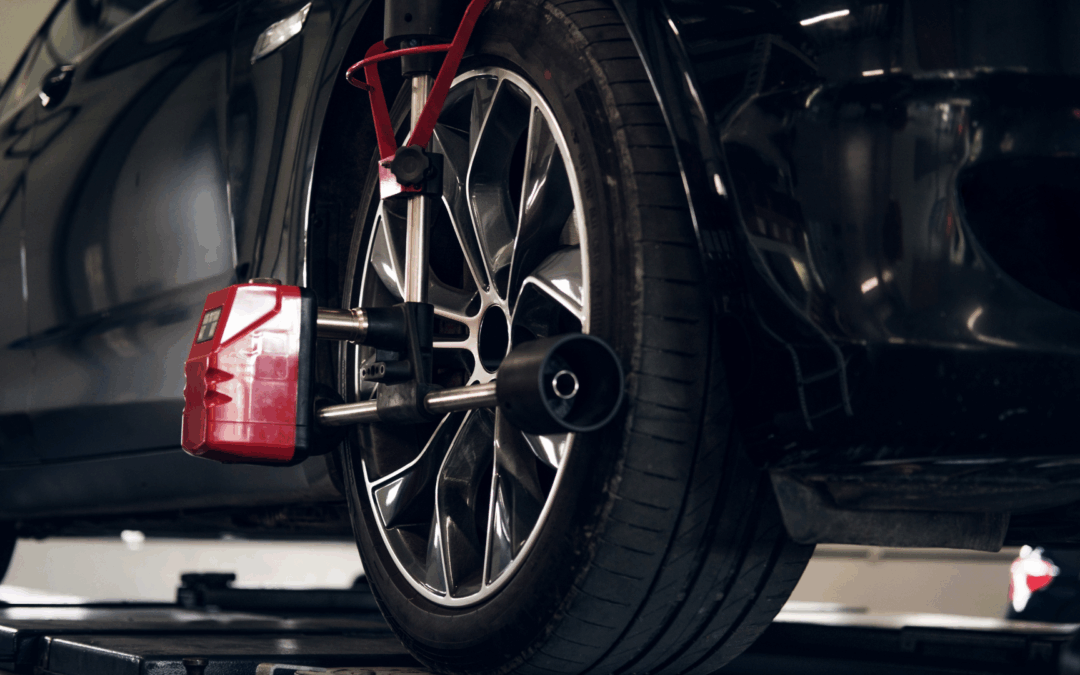
At All Around Auto Repair, a professional alignment starts with precision measurements using computerized equipment.
Here’s what the process involves:
- Vehicle Inspection: Technicians check for worn suspension parts, uneven tire pressure, and steering issues.
- Computerized Measurements: Sensors capture your wheel angles to the fraction of a degree.
- Adjustments: Technicians fine-tune the camber, caster, and toe angles according to your manufacturer’s specifications.
- Test Drive: After adjustments, the car is driven to confirm the steering is straight and stable.
A proper alignment not only restores your car’s performance, it also gives you a smoother, safer ride.
When to combine alignment with other services
Certain maintenance services go hand-in-hand with alignments for maximum results:
- Tire Rotations: Ensure even wear on all tires.
- Balancing: Prevent vibration at high speeds.
- Suspension Inspections: Check for damaged or worn components that might affect alignment.
- Brake Checks: Make sure the braking system applies evenly across all wheels.
Scheduling these together can save you both time and money.

Seasonal alignment tips
Since the environment plays such a big role, here’s how to plan your alignments around the seasons:
- Spring: Get an alignment after winter’s potholes, snow, and ice.
- Summer: Check alignment before long road trips or after hitting road debris.
- Fall: Inspect alignment along with tire rotations to prepare for wet roads and falling leaves.
- Winter: Consider checking alignment after major snowstorms or when switching to winter tires.
Regular alignment ensures your car remains stable and predictable no matter the season.
Final thoughts: Stay aligned, stay safe
Wheel alignment isn’t just about comfort, it’s about control, efficiency, and protecting your investment. Most alignment issues start small, but they grow silently until they become expensive problems.
Whether you drive city streets, country roads, or long highways, scheduling an alignment at least once a year, or sooner if you notice warning signs, keeps your car driving straight and smooth.
📞 (707) 837-0646
📍 1244 Central Ave, Santa Rosa, CA 95401
🌐 allaroundautorepair.com
At All Around Auto Repair, we use advanced alignment technology to get your wheels perfectly positioned for optimal safety and performance. Whether you’ve noticed pulling, uneven tire wear, or just want peace of mind, schedule your wheel alignment today—and keep your car rolling straight all year long.