What That Sound Really Means, and When to Take It Seriously
Few things grab a driver’s attention like the sharp, high-pitched squeal of brakes. You’re rolling to a stop, windows down, and that unmistakable sound cuts through the air. It’s annoying, a little embarrassing, and sometimes even worrying.
While brake squealing is one of the most common automotive complaints, it’s also one of the most misunderstood. Many drivers assume squeaky brakes automatically mean it’s time for replacement, but that’s not always true. On the flip side, ignoring that sound could mean overlooking a serious safety issue.
In this article, we’ll break down why brakes squeal, what the different types of noises mean, and how regular maintenance at All Around Auto Repair can keep your vehicle quiet, safe, and performing at its best.
Why Brakes Squeal in the First Place
To understand brake noise, you need to know what’s happening every time you hit the pedal.
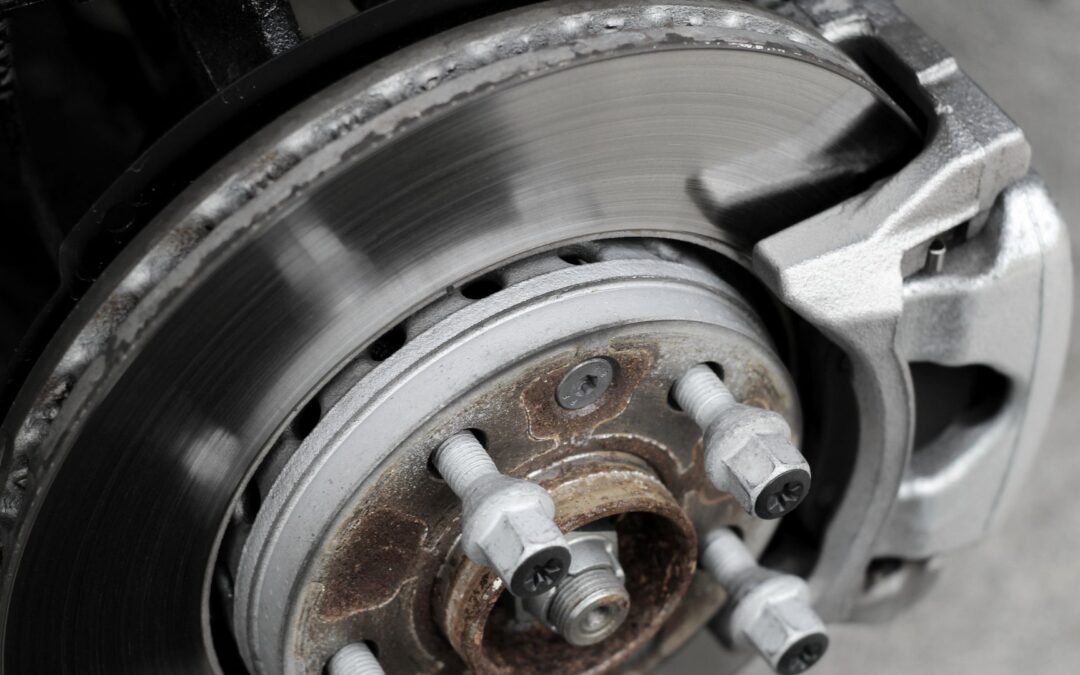
Your braking system works through friction: when you press the pedal, hydraulic pressure pushes the brake pads against the rotors (or drums), creating friction that slows the vehicle. Over time, this friction naturally wears down the brake pads.
But it’s not just wear that causes noise, brake squeal happens when there’s vibration between the pad and the rotor. Those tiny vibrations can produce a squeaking or squealing sound that varies depending on speed, temperature, and humidity.
In short, not every squeal is an emergencybut it’s almost always a signal your car is trying to tell you something.

Common Causes of Brake Squeal
There are several reasons your brakes might be squealing, ranging from harmless to serious. Let’s look at the most common ones.
1. Worn Brake Pads
This is the number-one cause of brake squeal, and also the easiest to diagnose.
Most modern brake pads come with a built-in wear indicator, a small metal tab that’s designed to make noise when the pad material gets too thin. It’s a deliberate squeal, a warning that it’s time to replace your pads before the metal backing grinds against the rotor.
If your squeal happens every time you brake and doesn’t go away after the first few stops, schedule a brake inspection right away.
2. Moisture or Rust on the Rotors
If you hear a light squeak on cool mornings or after your car has been sitting overnight, it could just be surface rust or moisture on the brake rotors.
When you first drive off, the pads scrape that thin layer away, causing temporary noise. After a few stops, the sound should disappear. If it doesn’t, the rust may be more than surface deep—and that’s when you need a professional look.
3. Glazed Pads or Rotors
When brakes overheat (usually from aggressive or prolonged braking), the surface of the pads and rotors can harden or “glaze.” This creates a smooth, glass-like finish that doesn’t grip properly, causing both reduced braking performance and persistent squealing.
Glazing often happens to vehicles that do a lot of downhill driving or towing, where brakes are under constant pressure. The fix typically involves resurfacing the rotors or replacing the pads entirely.
4. Cheap or Incorrect Brake Pads
Not all brake pads are created equal. Lower-quality pads often use harder materials that are more prone to noise and faster rotor wear.
If you’ve recently had your brakes replaced and they started squealing soon after, you may have cheap aftermarket pads that don’t match your car’s original equipment. Investing in higher-quality or OEM pads can make a world of difference in performance and noise reduction.
5. Dust and Debris
Road grime, brake dust, and tiny stones can get trapped between the pad and rotor, leading to squealing or grinding sounds. Regular cleaning or professional brake service can remove the buildup and restore smooth braking.
6. Improper Installation or Hardware Wear
Sometimes, even new brakes can squeal if they weren’t installed correctly or if anti-rattle clips, shims, or calipers are worn. These small parts reduce vibration and noise—but once they fail, squealing comes back fast.
If your brakes were replaced recently but still make noise, a second look from a qualified technician can make sure everything’s properly aligned and torqued.
When Brake Squeal Is Normal
Not every squeak means danger. In some cases, light brake noise is perfectly normal, especially if:
- Your brakes squeal only in the morning and go silent after a few stops.
- You’re using performance brake pads, which often contain metallic compounds that make more noise.
- It’s humid or rainy, and you notice temporary squeaking after parking overnight.
However, any persistent, loud, or worsening noise should be inspected. Even minor issues can escalate quickly if ignored.
When to Take Brake Noise Seriously
Here’s when you should head to the shop immediately:
- You hear grinding or scraping. That likely means your pads are worn down completely and metal is hitting metal, damaging your rotors and compromising safety.
- The squeal doesn’t go away after a few stops. This is a clear sign your pads or rotors are ready for service.
- You feel vibration in the brake pedal or steering wheel. That can indicate warped rotors or uneven wear.
- Your brake warning light comes on. This could point to low fluid or worn components.
- There’s a burning smell after braking. That might mean overheated brakes or a stuck caliper—both urgent issues.
Brakes are your vehicle’s most critical safety system. It’s better to get them checked early than to risk losing stopping power when you need it most.

How All Around Auto Repair Can Help
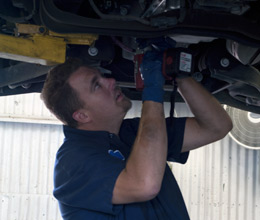
At All Around Auto Repair, our certified mechanics don’t just replace pads and send you on your way, we perform a comprehensive brake inspection to identify the root cause of noise and wear.
Our brake service includes:
- Checking pad thickness and rotor condition
- Inspecting calipers, slides, and hoses
- Measuring brake fluid condition and levels
- Testing for leaks or sticking components
- Cleaning and lubricating hardware
- Using high-quality, noise-reducing brake pads designed for your vehicle
If your brakes squeal, we can pinpoint the issue in minutes with precision tools and years of experience. We’ll explain what’s happening, why it’s happening, and exactly how to fix it, without overselling unnecessary repairs.
How to Prevent Brake Squeal
Keeping your brakes quiet and effective isn’t just about reacting when there’s noise—it’s about staying ahead of problems. Here are a few preventive tips:
- Schedule regular brake inspections. Have your brakes checked every 6 months or at every oil change.
- Use high-quality parts. Invest in premium pads and rotors that are less likely to glaze or vibrate.
- Avoid hard braking. Smooth, gradual stops generate less heat and wear.
- Keep your wheels clean. Brake dust buildup can cause noise and uneven wear.
- Service the entire system. Pads, rotors, and hardware work together—replacing only one component can lead to imbalance and new noise.
Proper maintenance not only eliminates squealing but also extends the life of your entire braking system.

The Bottom Line: Don’t Ignore the Squeal
That high-pitched squeal might start as a small annoyance—but it’s your car’s way of calling for attention. Sometimes it’s just a temporary sound; other times, it’s the first sign of brake wear that could lead to serious damage or even brake failure if ignored.
Whether you’re dealing with light squeaks or grinding metal, it’s always worth having your brakes inspected by professionals.
At All Around Auto Repair, we take the guesswork out of brake noise. From simple pad replacements to complete system overhauls, we make sure your brakes are safe, quiet, and reliable—so you can hit the road with total confidence.
📞 (707) 837-0646
📍 1244 Central Ave, Santa Rosa, CA 95401
🌐 allaroundautorepair.com
All Around Auto Repair — Repair. Maintenance. Service. Since 2001.
Your trusted partner for professional brake service, honest diagnostics, and top-quality parts. Schedule your brake inspection today and silence those squeals before they turn into costly repairs.