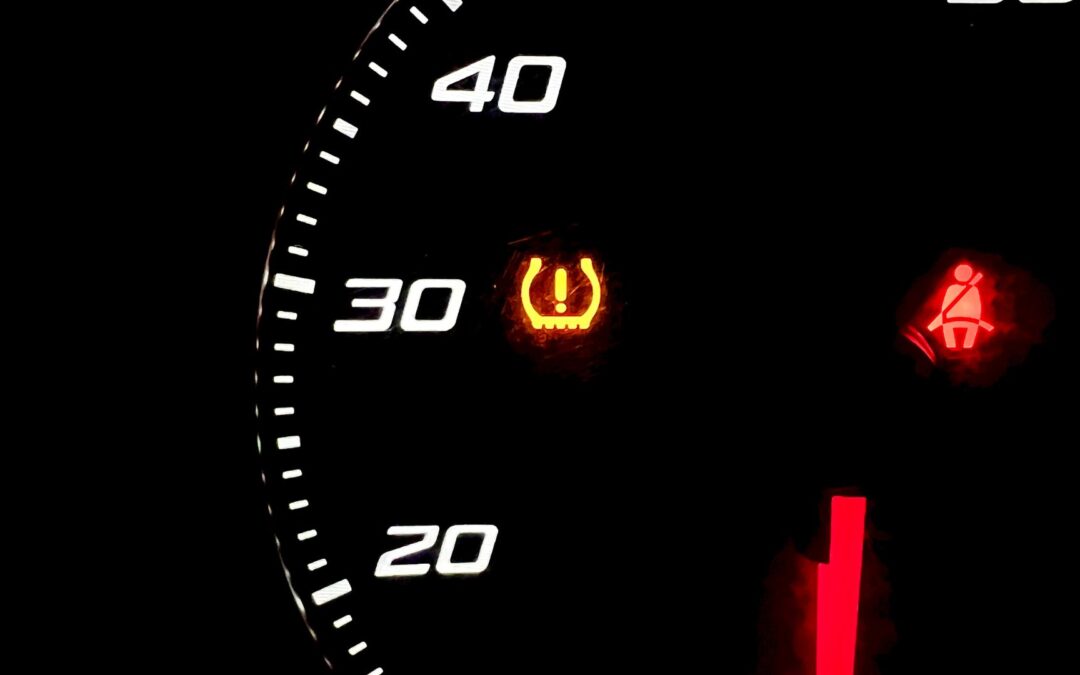
Most drivers see that little horseshoe-shaped tire pressure light on the dashboard and think, “I’ll deal with it later.” But ignoring low tire pressure is one of the fastest ways to compromise your safety, fuel efficiency, and even your wallet.
Your tires are the only part of your car that actually touches the road. Every steering adjustment, every brake, and every mile you drive depends on those four small contact patches of rubber. When your tires aren’t inflated properly, your entire vehicle suffers, from control and handling to gas mileage and tire lifespan.
In this article, we’ll break down why low tire pressure is more dangerous than you think, how it affects your car’s performance, and what you can do to prevent long-term damage.
What Tire Pressure Really Does
Tire pressure isn’t just about comfort, it’s about control, safety, and performance. The air inside your tires supports the weight of your car, absorbs shocks, and ensures even contact with the road surface.
When tire pressure drops below the manufacturer’s recommended level, your tires become underinflated. That means more of the tire’s surface touches the road, which might sound like better traction, but in reality, it causes:
- Increased friction
- Uneven wear
- Poor handling
- Slower braking response
- Higher fuel consumption
Even a small pressure drop,say, 5 PSI below normal, can make a big difference.

How Underinflated Tires Reduce Control and Braking Distance
1. Longer Stopping Distances
Low tire pressure causes the tread to deform, reducing the tire’s ability to grip the road properly. This means your car will take longer to stop,especially in wet or slippery conditions.
In fact, studies show that underinflated tires can increase braking distances by up to 10%, which could be the difference between a close call and a collision.
2. Poor Steering and Cornering Stability
If your steering feels “mushy” or unresponsive, low tire pressure might be the culprit. Underinflated tires flex more while cornering, making your vehicle feel sluggish and less predictable. This instability becomes even more noticeable at higher speeds or during emergency maneuvers.
3. Increased Risk of Blowouts
When tires are underinflated, they generate excess heat as they flex and roll. Over time, this heat buildup can weaken the tire’s internal structure, leading to sidewall failure or blowouts,especially during highway driving.
A sudden tire blowout can cause you to lose control of your vehicle in seconds, making it one of the most dangerous consequences of neglecting tire pressure.
The Impact on Gas Mileage and Tread Wear
One of the lesser-known side effects of low tire pressure is how much it affects your car’s fuel efficiency and tire longevity.
1. You’ll Spend More at the Pump
When your tires are underinflated, your engine has to work harder to move your car because of increased rolling resistance. The U.S. Department of Energy estimates that properly inflated tires can improve gas mileage by up to 3%.
That may not sound like much, but over the course of a year, it adds up, especially with rising fuel prices.
2. Uneven and Premature Tire Wear
Underinflation causes more wear on the tire’s outer edges, while overinflation wears down the center. In both cases, you’ll be replacing tires sooner than expected. A full set of quality tires can cost hundreds (or even thousands) of dollars, so keeping them properly inflated is an easy way to extend their life.
3. Damaged Suspension and Alignment
When your tires are constantly underinflated, they can throw off your vehicle’s alignment and place added strain on the suspension system. That means more wear on shocks, struts, and ball joints, all of which can lead to expensive repairs down the road.

How to Check Your Tire Pressure (Manually and Accurately)
While most modern vehicles have a Tire Pressure Monitoring System (TPMS), relying on it alone isn’t enough. TPMS sensors usually trigger only when pressure drops by 25% or more, which means your tires could already be dangerously low before the warning light turns on.
Here’s how to manually check tire pressure the right way:
- Buy a quality tire pressure gauge. Digital gauges are inexpensive and more accurate than pencil-style ones.
- Check pressure when tires are cold. Air expands as it heats up, so measure before driving or after the car has sat for at least 3 hours.
- Find the correct PSI. Look for the manufacturer’s recommended tire pressure on the sticker inside your driver’s side door or in the owner’s manual, not on the tire’s sidewall.
- Remove the valve cap and press the gauge firmly. Note the reading, then adjust with an air compressor if needed.
- Repeat for all four tires, and don’t forget the spare.
Pro Tip:
If you notice frequent drops in pressure, you may have a slow leak caused by a nail, damaged valve stem, or bead seal issue. Have a technician inspect it before it turns into a flat or blowout.
When to Replace Old Tires
Even with perfect inflation, tires don’t last forever. Most manufacturers recommend replacing them every six years, or sooner if you notice:
- Tread depth below 2/32 inch (use a penny test to check)
- Visible cracks or dry rot
- Uneven wear patterns
- Bulges or blisters on the sidewalls
- Excessive vibration while driving
Old or damaged tires are especially dangerous in cold or wet conditions, when traction matters most. If you’re not sure how old your tires are, check the DOT code on the sidewall. The last four digits indicate the week and year they were made (for example, “2319” means the 23rd week of 2019).
Seasonal Factors: Cold Weather Makes It Worse
As temperatures drop, so does tire pressure. For every 10°F decrease, tires lose about 1 PSI. That means a tire set to 35 PSI in the summer could easily drop to 30 PSI on a cold winter morning, without any leaks at all.
This seasonal change is why you should check your pressure monthly and especially when the weather shifts from warm to cold.
Why Routine Tire Maintenance Saves You Money
Properly inflated and maintained tires don’t just keep you safe, they save money in several ways:
- Better fuel efficiency: Less resistance means fewer trips to the pump.
- Longer tire life: Even wear extends tread lifespan.
- Fewer suspension repairs: Balanced tires reduce stress on the entire system.
- Improved resale value: A well-maintained car retains more of its value.
When you consider the cost of fuel and tires today, keeping them inflated is one of the cheapest and smartest forms of maintenance you can do.
Don’t Rely on the Dashboard Light: Rely on a Professional
If your TPMS light keeps turning on, or if one tire seems to lose air faster than the others, it’s time to have it inspected by a professional.
At All Around Auto Repair, our technicians don’t just check the pressure; we also:
- Inspect the tire tread and sidewalls for damage.
- Check for slow leaks, nail punctures, or valve stem issues.
- Balance and rotate tires to ensure even wear.
- Perform alignment checks to correct pull or vibration.
We use precision tools to ensure your tires are filled to exact specifications, helping your car handle better, brake faster, and last longer.

Final Thoughts
Low tire pressure might seem like a minor issue, but it can quietly compromise your car’s safety, efficiency, and performance. Properly inflated tires help you stop faster, corner safer, and save money at the gas pump,all while preventing costly repairs down the road.
So, before your next drive, take a few minutes to check your tire pressure,or stop by your local shop for a quick inspection. It’s a simple habit that could make all the difference between a smooth ride and a dangerous one.
📞 (707) 837-0646
📍 1244 Central Ave, Santa Rosa, CA 95401
🌐 allaroundautorepair.com
All Around Auto Repair, Repair. Maintenance. Service. Since 2001.
Your trusted experts for tire inspection, rotation, alignment, and maintenance. Keep your tires healthy and your drive safe,schedule your Tire Check and Pressure Service today!