A small oil leak is one of the most commonly ignored car problems. Many drivers notice a few drops on the driveway or a faint burning smell and think, “It’s not that bad. I’ll deal with it later.” Unfortunately, that mindset often turns a minor, affordable repair into a major, and very expensive, one.
Oil leaks rarely stay small. And even when they do, the damage they cause over time can be far greater than most drivers expect.
In this blog, we’ll explain what causes oil leaks, why driving with even a small one is risky, and how ignoring it can quietly drain your wallet long before your engine fails.

Why Engine Oil Is So Critical
Engine oil does much more than just lubricate moving parts. It:
- Reduces friction between metal components
- Prevents overheating
- Cleans internal engine surfaces
- Protects seals and gaskets
- Helps maintain proper oil pressure
When oil leaks out, your engine doesn’t just lose lubrication, it loses protection. Even a slow leak can gradually starve critical components, especially if oil levels aren’t checked frequently.
Common Causes of Small Oil Leaks
Oil leaks often start from inexpensive, wear-and-tear components. Some of the most common sources include:
- Valve cover gaskets
- Oil pan gaskets
- Oil filter housing seals
- Drain plug washers
- Front or rear main seals
- Oil pressure sensors
In many cases, these parts fail due to age, heat, and normal engine vibration, not abuse or neglect.
The problem is not the leak itself, it’s what happens when it’s ignored.
Why Small Oil Leaks Are Easy to Overlook
Small oil leaks don’t always create obvious symptoms. You may not see warning lights or experience immediate performance issues.
Common signs drivers ignore include:
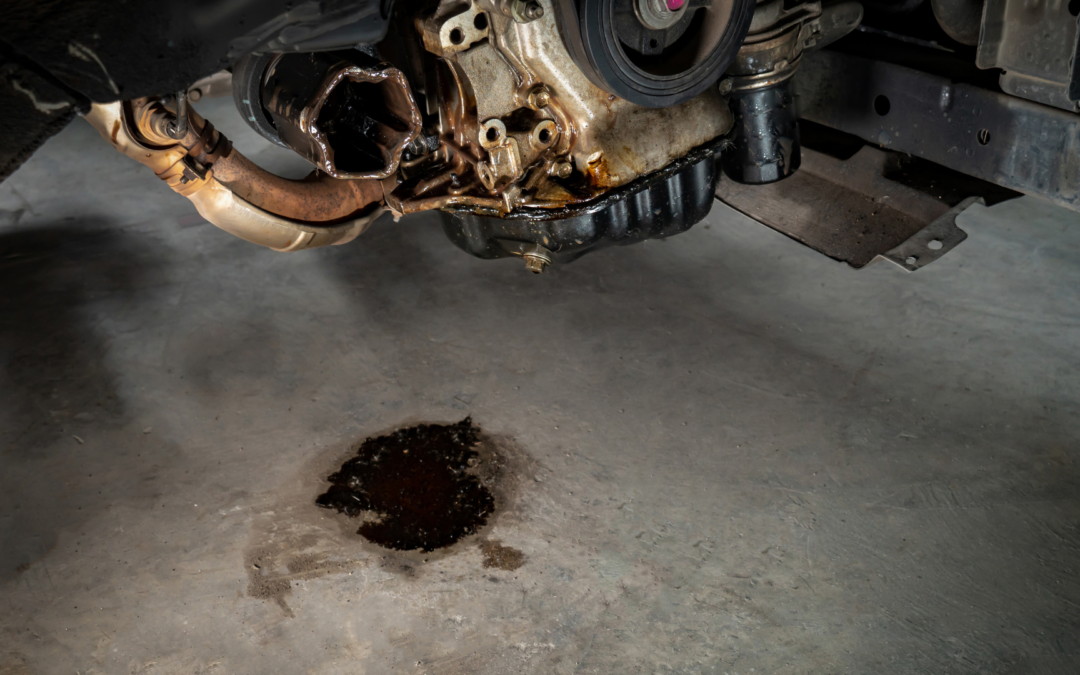
- A few drops of oil on the ground
- A faint burning smell after driving
- Slight smoke from under the hood
- Oil residue on engine components
- Needing to top off oil more often
Because the car still drives “fine,” many drivers assume it’s safe to wait. Unfortunately, that delay often leads to hidden damage.
The Real Costs of Ignoring a Small Oil Leak
1. Engine Oil Levels Drop Faster Than You Think
Even a slow leak can drain a surprising amount of oil over time. Engines require precise oil levels to maintain pressure and cooling.
When oil gets too low:
- Bearings wear faster
- Engine temperatures rise
- Internal friction increases
Low oil pressure may not trigger a warning light until serious damage has already begun.
2. Oil Can Damage Other Engine Components
Leaking oil doesn’t just disappear,it spreads.
Oil can:
- Damage rubber hoses and belts
- Soak motor mounts, causing them to soften and fail
- Contaminate electrical connectors and sensors
- Degrade coolant hoses
- Weaken suspension bushings
What starts as a simple gasket leak can quickly turn into multiple system failures.
3. Fire Risk Increases Over Time
One of the most dangerous consequences of an oil leak is fire risk.
If oil drips onto:
- Hot exhaust manifolds
- Catalytic converters
- Turbochargers
…it can ignite or cause heavy smoke. While engine fires are rare, oil leaks are one of the most common contributing factors.
A burning oil smell is never something to ignore.
4. Oil Leaks Mask Bigger Problems
Oil leaks attract dirt and grime, which makes it harder to spot:
- Cracked hoses
- Coolant leaks
- Transmission fluid leaks
Over time, the engine bay becomes coated in oily residue, hiding other developing issues until they become severe.
5. Small Leaks Turn Into Big Repairs
Heat and pressure cause leaks to worsen. Rubber seals harden. Gaskets crack further. Oil pressure forces fluid past weakened areas.
What could have been:
- A simple gasket replacement
…turns into:
- A main seal replacement
- Engine mount replacement
- Timing cover resealing
- Oil-soaked belts and pulleys
Costs rise quickly when leaks are ignored.
6. Oil Starvation Can Destroy an Engine
This is the worst-case scenario, but it happens more often than drivers realize.
If oil levels drop too low:
- Bearings can seize
- Pistons can score cylinder walls
- Camshafts can fail
- Engines can overheat internally
At that point, repair options are limited to:
- Engine rebuild
- Engine replacement
Both are among the most expensive repairs a vehicle can require.

Environmental and Legal Consequences
Oil leaks don’t just harm your car, they harm the environment.
Leaking oil:
- Pollutes groundwater
- Damages pavement
- Can result in failed vehicle inspections
- May violate local environmental regulations
Many states consider visible oil leaks a safety or emissions concern.
How Oil Leaks Affect Resale Value
Buyers notice oil leaks immediately.
Even a small leak:
- Raises red flags during inspections
- Suggests poor maintenance
- Lowers trade-in value
- Leads to price negotiations
A car with visible oil leaks is often assumed to have deeper mechanical issues, even if that’s not true.
Why DIY “Fixes” Rarely Work
Many drivers attempt temporary fixes:
- Thicker oil
- Stop-leak additives
- Ignoring the problem
While these may slow a leak briefly, they often:
- Mask symptoms
- Clog oil passages
- Damage seals further
- Create sludge buildup
Stop-leak products can do more harm than good, especially in modern engines.
How Mechanics Find Oil Leaks Properly
At All Around Auto Repair, diagnosing oil leaks is a precise process, not guesswork.
Our approach includes:
- Thorough engine inspection
- Cleaning affected areas
- UV dye testing if needed
- Checking oil pressure
- Identifying gasket and seal failures
- Verifying no secondary damage exists
This allows us to fix the source of the leak—not just the symptoms.
When Should You Fix an Oil Leak?
The answer is simple: as soon as you notice it.
You should schedule an inspection if:
- You see oil spots under your car
- You smell burning oil
- Your oil level drops between oil changes
- Your engine looks greasy or wet
- Smoke appears from under the hood
Early repairs are almost always cheaper, safer, and faster.
Preventing Oil Leaks in the Future
While not all leaks are preventable, regular maintenance helps:
- Timely oil changes
- Correct oil type and viscosity
- Replacing gaskets proactively
- Addressing small leaks early
- Avoiding engine overheating
Preventive care keeps seals flexible and engines healthy.

Final Thoughts: Small Oil Leaks Are Never “No Big Deal”
A small oil leak may not leave you stranded today. but it can quietly damage your engine, reduce safety, harm other components, and cost far more than expected if ignored.
The smartest move is early diagnosis and repair.
At All Around Auto Repair, we help drivers stop oil leaks before they turn into major engine problems. Whether the fix is simple or more involved, catching it early always saves money.
Schedule an Oil Leak Inspection Today
📞 (707) 837-0646
📍 1244 Central Ave, Santa Rosa, CA 95401
🌐 allaroundautorepair.com
All Around Auto Repair — Repair. Maintenance. Service. Since 2001.
Trusted experts in oil leak diagnostics, engine sealing, and preventive maintenance.