
When people think of fall hazards on the road, the first thing that comes to mind is often icy mornings or foggy commutes. But one of the most overlooked dangers of autumn driving is something far more ordinary: wet leaves. They may look harmless scattered across the pavement, but when they pile up and get soaked, they can create slippery conditions and even damage your vehicle, especially your braking system.
In this article, we’ll break down why wet leaves are more dangerous than you might expect, how they affect your brakes and safety, and what you can do to protect your car this season.
Why wet leaves are a real road hazard
When leaves fall and get damp from rain or morning dew, they break down into a slick, pulpy layer that acts much like ice. Tires lose traction, making it harder to stop quickly or steer effectively. Combine this with early sunsets and unpredictable weather, and it’s no wonder accident rates often climb in the fall.
But beyond the surface risk of skidding, wet leaves can hide potholes, cover up lane markings, and even clog vehicle systems if left unchecked. And that’s where your brakes start to take a hit.
How Wet Leaves Affect Braking Performance
Your braking system relies on friction between the brake pads, rotors, and the tires’ grip on the road. Wet leaves interfere in several ways:
- Slippery surface for tires
Just like snow or ice, leaves create a barrier between your tires and the road. When you hit the brakes, your tires can’t grip properly, leading to longer stopping distances. - Moisture build-Up on rotors
Driving over wet leaves can trap moisture and organic debris against your brake rotors. Over time, this can lead to uneven wear, squeaking noises, or even rust development. - Clogging the undercarriage
Wet leaves can accumulate around the brake calipers, suspension components, or underbody shields. If ignored, they hold moisture against sensitive parts, accelerating corrosion. - Hidden hazards
A pile of leaves might look harmless, but it can conceal debris, rocks, or even road damage. Slamming the brakes in such conditions not only stresses your tires but can jar your braking system unexpectedly.

Warning signs that wet leaves are taking a toll
As fall progresses, pay attention to the way your car feels and sounds. Warning signs that leaves might be affecting your brakes include:
- Squealing or grinding noises – Moisture and organic residue on rotors can cause brake pads to squeak.
- Soft or spongy pedal feel – Excess moisture may impact how responsive your brakes feel.
- Pulling to one side– If wet debris builds up unevenly, braking performance may become unbalanced.
- Rust stains or corrosion – Inspect your wheels for early signs of rust, which often starts around the rotors after frequent exposure to wet leaves.
Seasonal maintenance to protect your brakes
You don’t have to fear every pile of leaves this season, just take some smart steps to keep your brakes in top shape.
1. Schedule a brake inspection
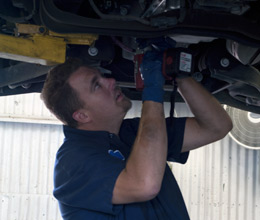
Fall is the perfect time to have a professional check your pads, rotors, and fluid. A quick inspection can catch early wear before slippery conditions make it dangerous.
2. Wash your undercarriage
Leaves often cling to the underside of your car. A seasonal wash, especially with an underbody spray, helps clear out debris and reduce moisture build-up.
3. Check brake fluid levels
Moisture in the environment can affect brake fluid quality. If it looks dirty or discolored, consider a fluid flush for safe, consistent braking.
4. Keep tires in good shape
Since braking relies on tire grip, check tread depth and pressure regularly. Rotating your tires in fall can also improve handling before winter.
5. Drive defensively
When roads are covered in leaves, slow down and leave extra space between you and the vehicle ahead. Treat wet leaves like patches of ice, you never know how slick they might be.

The bigger picture: Wet leaves and vehicle safety
It’s easy to dismiss leaves as just a seasonal nuisance, but think of them as an early reminder of winter driving conditions. Just as snow and ice demand cautious driving, so do wet leaves. And unlike snow, which cities actively plow and salt, leaves often linger on side streets and residential areas for weeks.
Taking preventive measures now not only keeps your brakes in good shape but also builds habits that will carry you safely into winter.
Why professional brake service matters in fall
While you can brush leaves off your windshield or driveway, your brakes require a closer look from trained professionals. Certified mechanics have the tools to:
- Inspect for uneven pad and rotor wear.
- Clear debris and moisture buildup around calipers.
- Test brake fluid for contamination.
- Ensure your entire system is ready for unpredictable seasonal conditions.
Catching issues early is far cheaper, and safer, than waiting until a simple squeak becomes a full brake failure.

Final thoughts: Don’t let leaves catch you off guard
Wet leaves may look innocent, but they can reduce traction, accelerate brake wear, and compromise your vehicle’s safety. The good news is that with seasonal awareness, preventive maintenance, and professional inspections, you can avoid costly repairs and dangerous situations.
So as the leaves fall this season, treat them as more than just a sign of autumn. Treat them as a reminder to check your brakes, clear your undercarriage, and prepare your vehicle for the months ahead.
📞 (707) 837-0646
📍 1244 Central Ave, Santa Rosa, CA 95401
🌐 allaroundautorepair.com
At All Around Auto Repair, we offer complete brake inspections and seasonal maintenance to keep your vehicle safe no matter what’s on the road. Don’t wait until slippery leaves become a real hazard, schedule your brake service today and drive with confidence this fall.