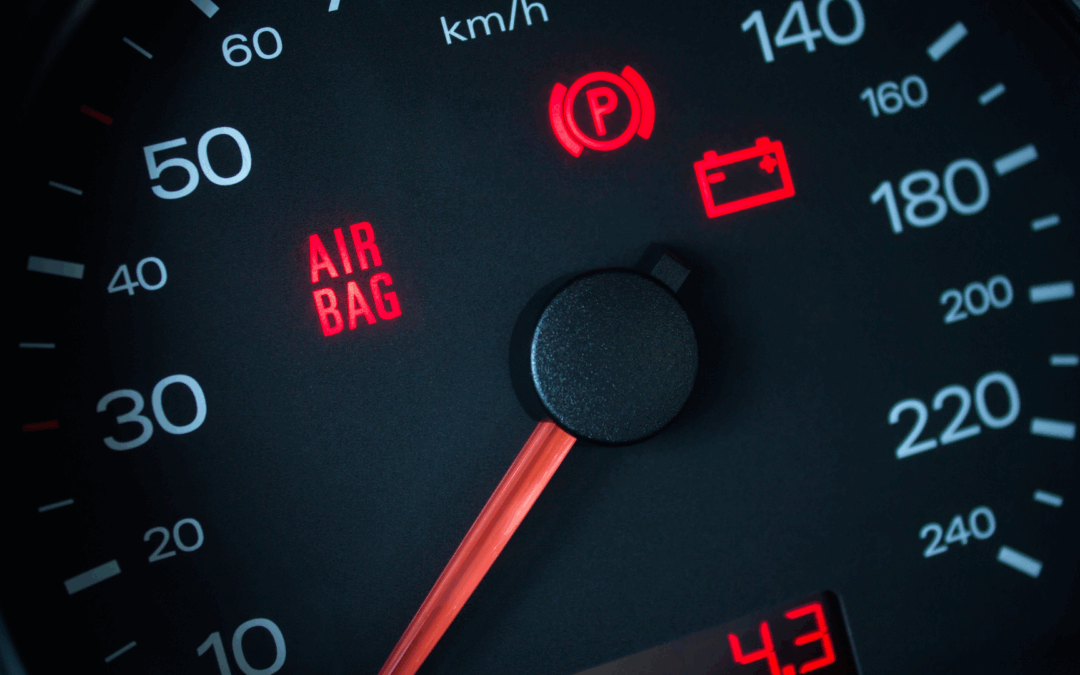
You’re driving along, everything feels fine, and then bing, a dashboard warning light comes on. Maybe it’s the little engine icon, maybe a red exclamation mark, or a thermometer symbol you’ve never seen before. Do you need to pull over immediately? Is your car about to break down? Or can it wait until tomorrow?
If you’ve ever felt confused or overwhelmed when a warning light pops up, you’re not alone. At All Around Auto Repair, we get these questions every day. The good news? With a little knowledge, you can take control of the situation—and avoid turning a small issue into a costly one.
In this guide, we’ll help you decode the most common dashboard warning lights, explain what they mean in plain English, and tell you exactly when to keep driving, schedule a check-up, or pull over immediately.
Red vs. Yellow/Orange Lights: What’s the Difference?
Before we dive into individual lights, let’s start with an important rule of thumb:
- Red warning lights usually mean STOP IMMEDIATELY. Something serious is wrong—like low oil pressure or brake failure. Driving further could damage your car or put you in danger.
- Yellow or orange lights mean CAUTION. These lights are your car’s way of saying, “Hey, something’s not right, but you don’t need to panic.” Schedule a check-up soon.
Understanding this difference helps you react calmly and correctly when a warning light appears.

Common Dashboard Warning Lights Explained
Here are the most common dashboard lights you’re likely to see—and what they usually mean:
1. Check Engine Light (Yellow/Orange)
Symbol: Engine-shaped icon, sometimes labeled “Check Engine”
What it means:
The Check Engine Light (CEL) is triggered by your car’s onboard diagnostics system (OBD-II). It could be something minor, like a loose gas cap, or something serious, like a failing catalytic converter or engine misfire.
Common causes:
- Loose or damaged gas cap
- Faulty oxygen sensor
- Failing spark plugs
- Emissions control issues
What to do:
- If it’s blinking, stop driving—blinking means a serious misfire that could damage your catalytic converter.
- If it’s steady, schedule a diagnostic scan ASAP to pinpoint the issue.
- Don’t ignore it—this light won’t go away on its own.
2. Oil Pressure Warning Light (Red)
Symbol: Old-fashioned oil can
What it means:
This light means your engine’s oil pressure has dropped to dangerous levels. Oil keeps the engine lubricated—without enough pressure, parts grind together, causing catastrophic engine damage within minutes.
Common causes:
- Low oil level
- Failing oil pump
- Blocked oil passages
What to do:
- Pull over immediately and turn off the engine.
- Check your oil level (if you know how).
- Call for roadside assistance or a tow to avoid destroying your engine.
This is not one you can ignore—not even for a short drive home.

3. Battery/Charging System Light (Red or Yellow)
Symbol: Battery icon with + and – signs
What it means:
Your car’s battery is not charging properly. That could mean a bad alternator, a loose battery cable, or a dying battery. Once the battery is drained, your car will stall.
Common causes:
- Failing alternator
- Worn serpentine belt
- Loose or corroded battery connections
What to do:
- If the light comes on while driving, turn off non-essential electronics (radio, A/C).
- Head to a mechanic soon, or you may end up with a car that won’t start.
4. Brake System Warning Light (Red)
Symbol: Circle with an exclamation point or “BRAKE”
What it means:
This could mean your brake fluid is low, your brake pads are worn, or there’s a problem with your brake system. If it’s flashing or comes on while driving, it could signal brake failure.
Common causes:
- Low brake fluid
- Worn brake pads
- ABS system malfunction
- Emergency brake engaged
What to do:
- First, make sure your parking brake isn’t engaged.
- If it isn’t, and the light stays on—get your brakes checked immediately.
- Brakes are a critical safety system—never ignore this light.

- Coolant Temperature Warning Light (Red)
Symbol: Thermometer inside waves or a radiator icon
What it means:
Your engine is overheating, which can cause severe damage. This could be due to low coolant, a broken water pump, or a failing thermostat.
Common causes:
- Low coolant
- Faulty radiator fan
- Broken water pump
- Blown head gasket
What to do:
- Pull over and turn off the engine immediately.
- Never open a hot radiator cap—it can cause serious burns.
- Let the engine cool down, then call a mechanic.
6. ABS Light (Yellow/Orange)
Symbol: “ABS” inside a circle
What it means:
There’s a problem with your Anti-lock Braking System, which helps prevent your wheels from locking up during sudden stops. Your regular brakes may still work, but ABS won’t engage in an emergency.
Common causes:
- Damaged wheel sensor
- Blown fuse or faulty ABS module
What to do:
- It’s usually safe to drive short distances, but avoid hard braking.
- Have your ABS checked soon—it’s a key safety feature.
7. Tire Pressure Monitoring System (TPMS) Light (Yellow/Orange)
Symbol: Exclamation point inside a horseshoe or tire shape
What it means:
One or more tires are underinflated. Driving with low tire pressure affects handling, fuel economy, and can cause blowouts.
Common causes:
- Punctured tire
- Cold weather lowering pressure
- TPMS sensor failure
What to do:
- Check tire pressure with a gauge and inflate to the recommended PSI (usually on a sticker in your driver’s door).
- If the light stays on, visit a shop for a full inspection or repair.

Why Ignoring Warning Lights Can Cost You
Modern vehicles are incredibly smart—but they can’t fix themselves. When your dashboard lights up, it’s your car’s way of saying, “Something’s wrong—please check me.”
Ignoring these signs can lead to:
- Expensive repairs (engine replacements, brake failure, electrical damage)
- Reduced fuel efficiency
- Poor handling or performance
- Complete breakdowns at the worst time
- Safety risks for you and your passengers
Why You Should Get a Diagnostic Scan—Not Just Guess
Too many drivers try to “ride it out” or assume a warning light is “probably nothing.” That’s a risky game.
A professional diagnostic scan:
- Reads your car’s trouble codes
- Identifies the exact system or part causing the issue
- Saves time and money by avoiding unnecessary part replacements
- Gives you peace of mind
At All Around Auto Repair, we use advanced diagnostic tools to get to the root of the problem fast—no guessing, no upsells, just honest answers.
Final Thoughts: Know Your Lights, Stay in Control
You don’t have to be a mechanic to understand your car’s warning lights—you just need to know which ones matter most and when to act. Paying attention to your dashboard can save you from costly breakdowns, unexpected repairs, and unsafe driving conditions.
If a warning light is on in your vehicle, don’t wait until the problem gets worse.
Need Help with a Warning Light? We’ve Got You Covered
At All Around Auto Repair, we’re here to make sense of your dashboard and get your car back in top shape—quickly and affordably.
Stop by for a diagnostic scan or schedule an appointment today.
We’ll explain everything in simple terms and help you take the right next step.
All Around Auto Repair — Repair. Maintenance. Service. Since 2001.
Honest service. Expert care. No guessing.