
When most drivers think of brake service, they picture one thing: replacing worn-out brake pads. And while that’s definitely a key part of maintaining your braking system, it’s far from the whole picture. Your vehicle’s brakes are made up of several critical components that all work together to slow your car down safely. Ignoring any of them can lead to uneven braking, reduced performance, costly repairs, or worse, a dangerous situation on the road.
In this blog, we’ll take you beyond the pads and explain exactly what a full brake inspection involves, what the warning signs of a failing brake system are, and why a quick pad change isn’t enough to keep you safe. If you want peace of mind every time you press that brake pedal, here’s what you need to know.
Why Brakes Matter More Than You Think
Brakes aren’t just about convenience, they’re your car’s most important safety system. Whether you’re navigating city traffic, cruising on the highway, or dealing with rainy weather, your brakes are responsible for keeping you in control.
Over time, different parts of your braking system wear at different rates. While brake pads do wear down the fastest, other components, like rotors, calipers, brake fluid, hoses, and ABS sensors, can also fail or degrade without warning. A comprehensive inspection ensures that every part of your braking system is working properly, not just the pads.

Signs Your Braking System May Be in Trouble
Not sure if your brakes need attention? Watch for these common signs:
- Squeaking or squealing noises when braking
- Grinding sounds (often a sign the pads are worn down to metal)
- Vibrations in the steering wheel or pedal
- Soft or spongy brake pedal
- Longer stopping distances
- Brake warning light on your dashboard
- Pulling to one side when braking
- Burning smell after frequent or hard braking
If you notice any of these symptoms, don’t wait. Have your brakes checked immediately. These are early warnings that something in the system may be worn, misaligned, leaking, or worse.
What a Full Brake Inspection Really Includes
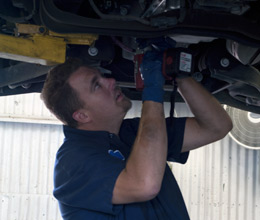
A full brake inspection doesn’t just involve glancing at your pads. Here’s a breakdown of what a professional technician at All Around Auto Repair checks during a comprehensive brake system inspection:
1. Brake Pads
Of course, brake pads are still an important starting point. A technician will check their thickness, condition, and how evenly they’re wearing. Uneven wear may indicate issues with the caliper, rotor, or alignment.
2. Brake Rotors (or Discs)
Rotors are the metal discs your brake pads press against to stop the car. They can become warped, scored, or worn too thin over time. If the rotors are damaged, your braking performance suffers, and you may hear grinding or feel pulsing in the pedal.
3. Calipers
Brake calipers are the hydraulic clamps that press the pads against the rotors. If they stick, leak, or seize, one wheel may do more work than the others, causing uneven braking or pulling. A faulty caliper can also cause your pads to wear faster on one side.
4. Brake Lines and Hoses
These deliver brake fluid from your master cylinder to the calipers. Over time, hoses can crack or corrode, leading to leaks or pressure loss. A good inspection will check for wear, rust, and leaks along the lines.
5. Brake Fluid
Brake fluid absorbs heat and pressure to help transfer force from your foot to the brakes. But it’s also hygroscopic, it absorbs moisture over time, which can reduce braking efficiency and cause internal corrosion. That’s why checking and replacing old brake fluid is crucial.
Tip: Most manufacturers recommend replacing brake fluid every 2–3 years, even if you haven’t noticed any issues.
6. Brake Master Cylinder
This is the heart of your brake system, it creates the hydraulic pressure that makes everything else work. A technician will check for leaks, proper pressure, and signs of wear.
7. Parking Brake System
Whether your car has a mechanical or electronic parking brake, it should also be inspected for cable integrity, wear, and responsiveness.
8. ABS Sensors and Modules
Modern cars include Anti-lock Braking Systems (ABS), which help prevent skidding under hard braking. Faulty ABS sensors or modules can lead to delayed braking or system failures. A diagnostic scan helps pinpoint any issues here.

Quick Brake Jobs vs. True Brake Maintenance
It’s tempting to opt for the cheapest or fastest brake service when you see a $99 “pad replacement special.” But beware: many of these services only replace the pads without checking the rest of the system.
Think of it like replacing just one tire when all four are bald. Sure, it helps, temporarily, but it doesn’t address the underlying safety issue. A true brake service includes:
- Pad and rotor replacement (if needed)
- Brake fluid flush
- Caliper and hose inspection
- Clean and lubricate brake hardware
- Diagnostic scan of ABS if the warning light is on
Spending a bit more on a full service now can prevent hundreds (or thousands) of dollars in repairs later.
How Often Should You Get a Brake Inspection?
Most experts recommend a full brake inspection at least once a year, or every 12,000 miles, whichever comes first. But if you notice any unusual noises, pedal issues, or a brake warning light, get it checked immediately.
Also consider scheduling a brake check:
- Before long road trips
- After driving in harsh winter conditions
- When rotating tires or during routine oil changes
- If you drive in stop-and-go traffic often
Why Brake Fluid Checks Are So Important
As mentioned earlier, brake fluid plays a key role in your safety, and it’s one of the most ignored fluids in a car. Moisture contamination can lower the boiling point of the fluid, making it less effective during heavy braking. That can lead to “brake fade,” where your brakes feel soft or don’t respond quickly.
A technician can test the fluid’s condition with a simple moisture meter and let you know if a flush is needed.
Why Choose a Professional Inspection Over DIY?
While you can inspect your own brake pads with some basic tools, a full inspection requires experience and equipment. Professionals use:
- Lift equipment to inspect under the car safely
- Torque wrenches for accurate reassembly
- Scanners to read ABS and system codes
- Proper cleaning tools for calipers and rotors
- OEM-grade fluids and parts
Most importantly, certified technicians can spot problems you might miss, and help you fix them before they get worse.

Bottom Line: Don’t Cut Corners on Brakes
Brake service is about more than just pads. It’s about safety, performance, and prevention. A full inspection can catch issues before they become dangerous or expensive. If you’re experiencing strange sounds, soft pedals, or just want peace of mind, schedule a full brake check with a trusted shop.
Need Your Brakes Checked?
At All Around Auto Repair, we take your safety seriously. Our ASE-certified technicians perform comprehensive brake inspections to keep you and your family safe on the road, no shortcuts, no guesswork.
📍 Visit us at 1244 Central Ave, Santa Rosa, CA 95401
📞 Call to book your appointment: (707) 837-0646
🌐 allaroundautorepair.com
Drive safe, and brake smart.