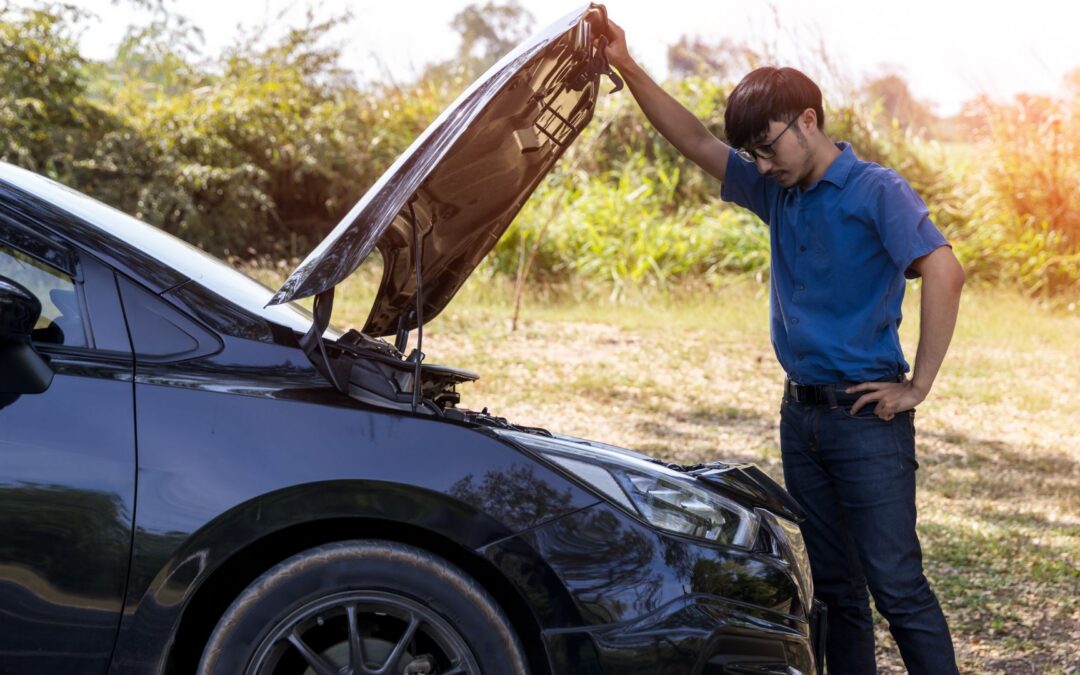
Few things make drivers uneasy faster than hearing a strange noise coming from under the hood. Among the most common—and most misunderstood—is a whining sound. It may start quietly during acceleration, become noticeable when turning the steering wheel, or only appear during cold starts. In some cases, the noise gradually becomes louder over weeks or months.
Because the vehicle often continues to drive normally, many drivers ignore the sound at first. Unfortunately, whining noises rarely disappear on their own. More often, they’re early warning signs that a component is wearing out, struggling under load, or lacking proper lubrication. The sooner the source is identified, the easier and less expensive the repair is likely to be.
Not all whining noises mean the same thing. Technicians analyze the exact behavior of the sound to narrow down the cause. Does the noise change with engine RPM? Does it get louder when turning the steering wheel? Is it only present when the engine is cold or when the air conditioning is running? The answers provide valuable clues about which system is failing.

The Frictional Drag of Glazed Belts and Pulley Bearing Fatigue
One of the most frequent causes of under-hood whining is the serpentine belt system. The serpentine belt drives several critical components, including the alternator, power steering pump, air conditioning compressor, and water pump. Over time, belts become worn, glazed, or contaminated by oil seeps. When this happens, they slip against the pulleys and create a high-pitched whining or squealing sound during acceleration.
Sometimes the belt is healthy, but the bearings inside the idler pulleys or automatic tensioners are wearing down. As those internal bearings lose grease, they produce a smooth, constant whining or growling sound that increases with engine speed. Keeping your engine oil clean and scheduling regular oil changes and filter replacements ensures that adjacent fluid leaks don’t contaminate and ruin these dry belt tracking systems.
If the whining becomes significantly louder when turning the steering wheel, your hydraulic power steering loop is likely struggling. When power steering fluid drops due to a leak, air enters the high-pressure lines and cavitates inside the pump. This aeration forces the pump gears to groan under load, leading to accelerated wear that should be investigated during routine auto inspections before your steering assistance cuts out completely.

Electromagnetic Alternator Siren and Hydraulic Transmission Strain
The alternator is another common source of speed-dependent whining. Because it spins continuously to power your vehicle’s electrical grid, worn internal stator bearings will produce a siren-like whine that tracks engine RPM. Technical diagnostic updates published by SAE International outline how a blown internal diode bridge can induce a heavy magnetic whine that bleeds directly into the vehicle’s cabin electronics, signaling an imminent charging failure long before your battery dies.
In many modern vehicles, transmission-related fluid pressures can sound like they are coming directly from the engine bay. Transmission pump whine often changes with actual vehicle road speed rather than raw engine revs. Low or degraded transmission fluid starves the torque converter and internal planetary gear sets, generating a distinct whine under load. Addressing these hydraulic pressure drops early through specialized transmission service and repair avoids accelerated clutch pack burnout.
Not every whine is strictly mechanical. If the sound only appears when you switch on the climate control, your A/C compressor clutch bearing is likely binding under load. Additionally, cracked vacuum hoses or leaking intake manifold gaskets can create a high-pitched whistling whine. Because vacuum leaks draw unmetered oxygen into the engine, they disrupt the fuel trim calculation, causing a rough idle and a noticeable drop in city fuel economy.

Water Pump Rebound Play and Why Postponing Noise Diagnosis Costs More
A steady under-hood whine can also signal a failing water pump bearing. Because the water pump is responsible for circulating coolant throughout the engine block, a loose impeller shaft will quickly tear the main fluid seal. Reliability metrics tracked by Consumer Reports warn that ignoring a whining water pump frequently leads to sudden coolant dumping and severe engine overheating, transforming a basic belt or pulley repair into a costly cylinder head overhaul.
What makes whining noises particularly deceptive is that they often start quietly. Drivers frequently assume the sound is normal or related to temporary weather conditions. However, components that rely on bearings, lubrication, and proper tension do not improve over time. Friction increases, wear accelerates, and minor problems become major mechanical breakdowns if left unaddressed. Tracing these quick acoustic changes requires running an advanced vehicle diagnostics live-data analysis.
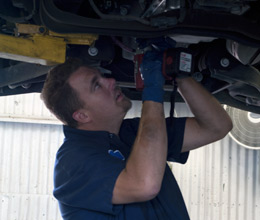
At All Around Auto Repair, diagnosing under-hood noises involves a thorough, systematic approach. Our technicians use specialized mechanical stethoscopes and digital diagnostic equipment to isolate the exact pulley, pump, or vacuum line responsible for the noise, ensuring we address the root cause rather than replacing parts unnecessarily.
Your vehicle is designed to operate quietly, smoothly, and predictably. If you’ve caught a faint whine during acceleration, notice an extra groan while parking, or hear an unusual hum when your A/C runs, let our experienced team isolate the true cause and protect your automotive investment.
To schedule a professional accessory belt inspection or an advanced drivetrain noise diagnostic, please contact All Around Auto Repair today.
📞 (707) 837-0646
📍 1244 Central Ave, Santa Rosa, CA 95401
All Around Auto Repair – Repair. Maintenance. Service. Since 2001.