Most vehicle problems don’t announce themselves dramatically. There’s no loud bang, no cloud of smoke, and no warning light immediately demanding your attention. Instead, many issues develop quietly in the background while your car continues to perform well enough for everyday driving.
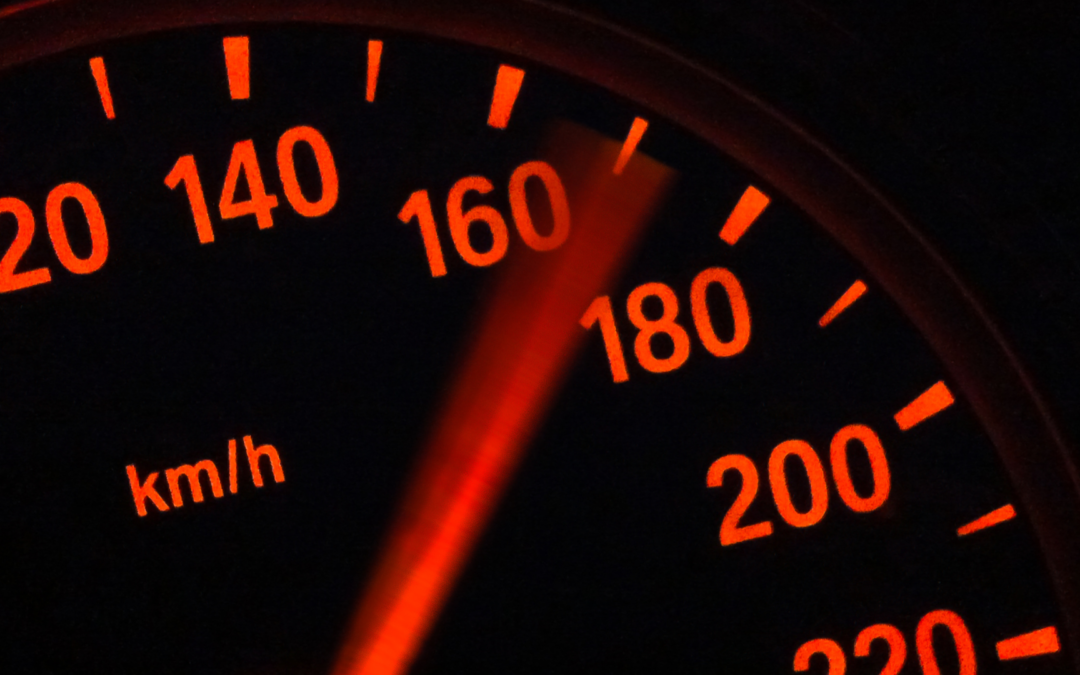
That’s why many drivers are surprised when they suddenly need quick acceleration and discover their vehicle doesn’t respond the way it used to. Maybe you’re merging onto a busy highway. Maybe you need to pass a slower vehicle. Perhaps you’re pulling into traffic and expect your car to accelerate immediately. You press the gas pedal, but instead of a strong, confident response, the vehicle hesitates. It feels sluggish, delayed, or simply lacks the power you expected.
The strange part is that the car felt completely normal just moments earlier. This situation is more common than many drivers realize, and it often points to issues that only become noticeable when the engine is asked to work harder.

Why Acceleration Problems Often Appear Suddenly
To understand why this happens, it’s important to recognize the difference between normal driving and demanding acceleration. During everyday city driving, your engine typically operates under relatively light loads. The vehicle moves at moderate speeds, acceleration is gradual, and the engine doesn’t need to produce maximum power. Under these conditions, many developing problems can remain hidden for weeks or even months.
When you suddenly demand rapid acceleration, however, the entire system is tested. The engine must increase airflow, inject more fuel, adjust ignition timing, and coordinate with the transmission to deliver power quickly. If any part of this process is not functioning properly, the weakness becomes obvious. That’s why a vehicle can seem perfectly healthy during routine errands but struggle when you need immediate power for merging, passing, or climbing steep grades.
Air and Fuel Delivery Issues Can Limit Performance
One of the most common causes of poor acceleration is restricted airflow. An engine is essentially a sophisticated air pump. To produce power, it needs a large volume of clean air. When you accelerate aggressively, airflow demand increases dramatically. If the engine air filter is dirty or partially clogged, airflow becomes restricted. During normal driving, the restriction may be small enough that you never notice it. Under heavy acceleration, however, the engine cannot get all the air it needs, resulting in reduced power and slower response.
A similar issue can occur with the mass airflow sensor. This sensor measures how much air is entering the engine and helps determine how much fuel should be injected. If the sensor becomes dirty or begins to degrade, it may provide inaccurate information to the engine control module. According to diagnostic research by ASE (National Institute for Automotive Service Excellence), a malfunctioning mass airflow sensor can alter fuel-to-air ratios by just a few percent—completely unnoticeable at low speeds, but crippling under sudden acceleration load.

Ignition, Fuel System, and Transmission Responses
Fuel delivery problems can create the same symptoms. Your fuel pump and fuel injectors are responsible for supplying the engine with the fuel it needs. During light driving, even a partially restricted fuel system may keep up with demand. But when you ask for maximum power, fuel demand increases significantly. If the fuel pump is weakening or the fuel filter is becoming restricted, the engine may struggle to receive enough fuel quickly enough, which requires advanced vehicle diagnostics to safely isolate.
The ignition system can also play a major role in acceleration performance. Spark plugs and ignition coils are responsible for creating the spark that ignites the air-fuel mixture inside each cylinder. Under heavy load, when cylinder pressures increase, their weakness becomes much more noticeable. The engine may hesitate, feel rough, or fail to deliver its full power potential. This is a primary reason why delaying your routine auto maintenance can lead to performance complaints that seem to appear out of nowhere.
The transmission is another important piece of the puzzle. When quick acceleration is needed, the transmission should quickly downshift into a lower gear, allowing the engine to operate in a more effective RPM range. Fluid dynamic studies published by SAE International highlight that degraded transmission fluid loses its hydraulic efficiency, causing latency or total hesitation when the vehicle commands an immediate kick-down switch. If you notice these lagging downshifts, getting a professional transmission service and repair check can restore rapid shifting responses.

Modern Electronics, Carbon Buildup, and Environmental Conditions
Today’s vehicles rely heavily on electronics and computer-controlled systems. Dozens of sensors constantly monitor engine load, throttle position, and emissions. However, sensor-related issues do not always trigger warning lights immediately. Consumer vehicle performance analyses from Consumer Reports prove that severe carbon buildup on intake valves acts like a sponge, soaking up fuel during sudden throttle requests and starving the engine precisely when you need rapid movement.
Sometimes the problem isn’t obvious because it only appears under certain conditions. Environmental factors can amplify existing weaknesses and make them easier to notice. Conditions that often make acceleration issues more noticeable include:
- Hot weather
- Driving uphill
- Running the air conditioning
Hot temperatures reduce air density, meaning less oxygen is available for combustion. Air conditioning places additional load on the engine, and climbing hills requires more power to maintain speed. When these factors combine, even a small performance problem can become much more noticeable.
Why Early Diagnosis Matters
One of the biggest mistakes drivers make is ignoring these early warning signs. Because the vehicle still feels normal most of the time, it’s easy to postpone an inspection. But performance issues rarely improve on their own. A restricted air filter becomes more restricted. A weak fuel pump becomes weaker. What begins as occasional hesitation during acceleration can eventually develop into a more serious drivability problem that affects fuel economy, reliability, and safety.
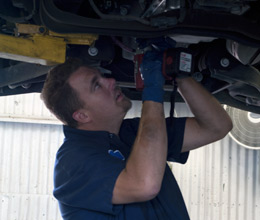
At All Around Auto Repair, diagnosing acceleration concerns involves more than simply looking for warning lights. Technicians evaluate airflow systems, fuel delivery, ignition performance, sensor data, transmission behavior, and overall engine health. This comprehensive approach helps identify problems that may only appear when the vehicle is under load.
Your car is designed to deliver power when you need it. If it feels fine during everyday driving but struggles when quick acceleration is required, it’s usually trying to tell you something. Paying attention to that message early can help prevent more expensive repairs and ensure your vehicle remains safe, responsive, and reliable.
If your car hesitates, feels weak, or doesn’t accelerate the way it used to, our experienced technicians are here to help.
To safely restore your vehicle’s overtaking power and responsiveness, please contact All Around Auto Repair today.
📞 (707) 837-0646
📍 1244 Central Ave, Santa Rosa, CA 95401
All Around Auto Repair – Repair. Maintenance. Service. Since 2001.