Your Car Is Overheating but There’s No Visible Leak. What’s Going On?
When a car starts overheating, one of the first things most drivers look for is a coolant leak.
You check underneath the vehicle, open the hood once the engine has cooled, and look around for obvious signs of coolant—but everything appears dry.
So why is the temperature gauge still climbing?
An overheating engine doesn’t always leave a puddle behind. Several cooling system problems can prevent your engine from maintaining the correct temperature without producing an obvious external leak. As noted in vehicle safety advisories from AAA Auto Repair, undetected thermal stress can silently compromise vital engine components.
From a stuck thermostat to a failing water pump or cooling fan, understanding the possible causes can help you address the problem before overheating leads to serious engine damage.
Never Ignore an Overheating Engine
Your engine produces a tremendous amount of heat while running.
The cooling system circulates coolant through the engine, transfers that heat to the radiator, and releases it into the surrounding air.
When any part of this process stops working correctly, engine temperature can rise quickly. Continuing to drive an overheating vehicle can lead to:
- Blown head gasket
- Warped cylinder head
- Internal engine damage
- Cooling system failure
- Complete engine failure
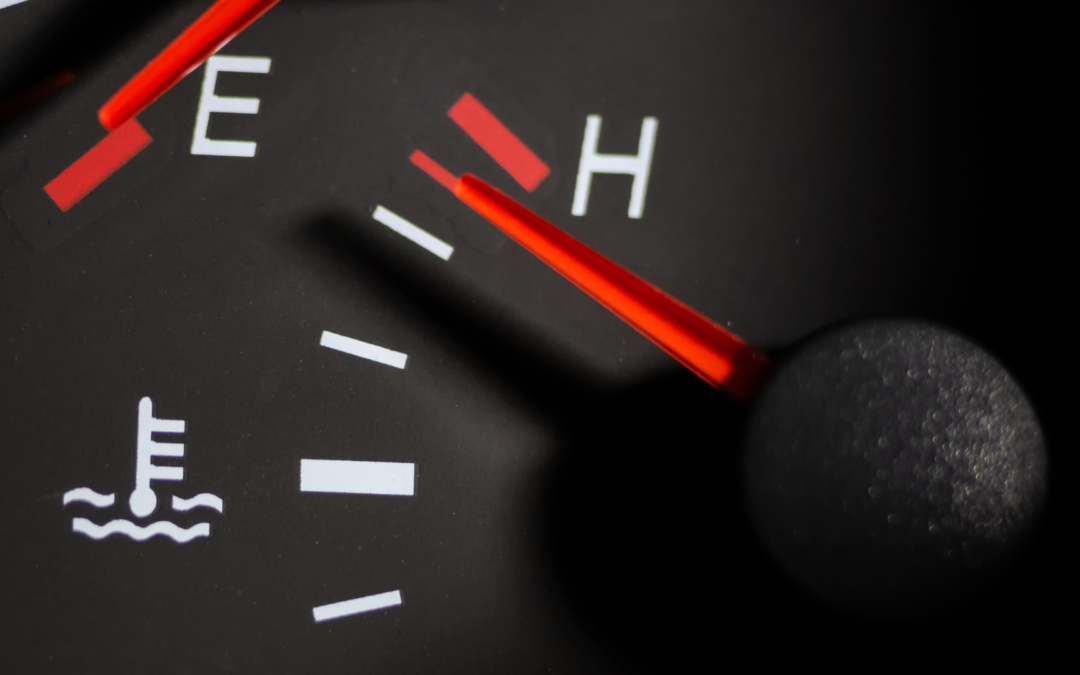
If the temperature gauge enters the red zone or an overheating warning appears, continuing to drive can turn a cooling system repair into a much more expensive engine repair. Federal guidelines from the NHTSA emphasize stopping immediately to protect both vehicle safety and engine integrity.
1. The Thermostat May Be Stuck
The thermostat regulates coolant flow between the engine and radiator.
When the engine is cold, the thermostat remains closed to help the engine reach operating temperature. As the engine warms up, it opens and allows coolant to circulate through the radiator.
If the thermostat becomes stuck closed, coolant circulation can be restricted.
The result? The engine gets hotter, but you may not see any coolant leaking underneath the vehicle.
Possible signs include:
- Rapidly rising temperature gauge
- Overheating after several minutes of driving
- Temperature fluctuations
- Changes in heater performance
A thermostat is relatively small, but when it fails, it can create a major overheating problem.

2. The Water Pump Isn’t Circulating Coolant Properly
The water pump is responsible for moving coolant through the engine and cooling system.
A water pump doesn’t always have to leak before it fails. On some vehicles, the pump’s internal impeller can become damaged or worn, reducing coolant circulation even though there is no obvious external leak. Other water pump problems may involve bearings, drive components, or internal wear.
Possible symptoms include:
- Engine overheating
- Temperature changing unexpectedly
- Poor heater performance
- Unusual noises from the engine area
- Overheating that becomes worse under certain driving conditions
Without proper coolant circulation, even a full cooling system cannot control engine temperature effectively.
3. Your Cooling Fans May Not Be Working
The radiator needs airflow to remove heat from the coolant. While you’re driving at higher speeds, outside air naturally flows through the radiator. When the vehicle is stopped or moving slowly, electric cooling fans provide that airflow.
If the fans fail, your car may:
- Stay cool on the highway
- Begin overheating in traffic
- Run hot while idling
- Cool down again once you start moving
Cooling fan problems can be caused by failed fan motors, relays, fuses, temperature sensors, wiring problems, or fan control modules. Maintaining your vehicle’s thermal management system through seasonal air conditioning and cooling service helps ensure proper fan and radiator operation.
4. The Radiator May Be Restricted
A radiator doesn’t need to leak to stop working efficiently.
Over time, internal deposits, corrosion, or contamination can restrict coolant flow through the radiator. The exterior can also become clogged with dirt, bugs, leaves, or road debris.
When airflow or coolant flow is restricted, the radiator cannot remove enough heat from the system. The vehicle may operate normally during light driving but begin overheating under heavier loads, hot weather, or extended trips.
5. Air May Be Trapped in the Cooling System
Cooling systems are designed to circulate liquid—not pockets of air. If air becomes trapped inside the system, coolant circulation can become inconsistent.
This can happen after coolant replacement, cooling system repairs, hose replacement, radiator service, or improper system bleeding.
Air pockets can cause:
- Temperature fluctuations
- Intermittent overheating
- Poor cabin heat
- Gurgling noises
- Unusual coolant level changes
Some modern vehicles require specific procedures or equipment to remove trapped air correctly.

6. The Coolant May Not Be Circulating Correctly
Even if the coolant reservoir appears full, that doesn’t necessarily mean coolant is flowing through the system as intended. Restrictions can develop in radiator passages, cooling hoses, the heater core, or engine coolant passages.
A collapsed hose can also restrict coolant flow without creating an external leak. This is why simply checking the coolant level isn’t enough to diagnose an overheating problem. The system must also be able to circulate coolant and release heat effectively.
7. The Radiator Cap Can Cause Problems
The radiator or coolant reservoir cap may seem insignificant, but it plays an important role in controlling cooling system pressure.
Cooling systems operate under pressure because increased pressure raises the boiling point of the coolant. If the cap can no longer maintain the correct pressure, coolant may boil or move through the system incorrectly. This can contribute to overheating even when there isn’t an obvious puddle underneath the vehicle.
8. A Head Gasket Problem May Not Create an External Leak
One of the more serious possibilities is an internal engine problem. A failing head gasket can allow combustion gases to enter the cooling system or coolant to enter the combustion chambers. Because the leak occurs internally, you may never see coolant dripping onto the ground.
Possible warning signs include:
- Repeated overheating
- Coolant disappearing without an obvious leak
- Persistent white exhaust smoke
- Bubbles in the coolant reservoir
- Rough engine operation
- Unusual pressure in the cooling system
- Milky or contaminated engine oil in some cases
Not every overheating vehicle has a blown head gasket, so proper testing is important before assuming the worst.
Why Does the Car Only Overheat in Traffic?
This is an important diagnostic clue. If your vehicle maintains normal temperature while moving but begins overheating when stopped or traveling slowly, insufficient radiator airflow may be the problem.
Cooling fans become particularly important at low speeds because natural airflow through the radiator decreases. A technician can test fan operation and determine whether an electrical or mechanical problem is preventing the system from cooling properly.
What If It Only Overheats on the Highway?
Overheating at highway speeds can point toward a different group of problems, such as a restricted radiator, poor coolant circulation, water pump problems, thermostat issues, or internal engine problems.
At highway speeds, airflow is usually plentiful, so overheating may indicate that the cooling system cannot transfer or circulate heat effectively. Keeping up with routine auto maintenance helps prevent these internal restrictions from forming.
Can You Keep Driving an Overheating Car?
Driving an overheating vehicle is extremely risky.
If the temperature gauge continues climbing, the safest approach is to stop driving as soon as you can do so safely and allow the engine to cool. Never remove a radiator or pressurized coolant cap while the engine is hot. Hot coolant can be under significant pressure and can cause severe burns.
If overheating repeatedly returns, the vehicle should be professionally diagnosed before normal driving continues.

Professional Cooling System Diagnostics Matter
Overheating isn’t a diagnosis—it’s a symptom.
Replacing the thermostat because the engine is running hot won’t solve the problem if the real cause is a cooling fan, restricted radiator, water pump, or internal engine issue.
At All Around Auto Repair, technicians can evaluate the complete cooling system, including:
- Coolant condition and level
- Thermostat operation
- Water pump performance
- Radiator condition
- Cooling fan operation
- Hoses and connections
- Cooling system pressure
- Coolant circulation
- Signs of internal engine problems
Finding the actual cause helps prevent unnecessary repairs and protects the engine from further damage.
Final Thoughts
An overheating engine doesn’t need to have a visible coolant leak.
A stuck thermostat, failing water pump, restricted radiator, malfunctioning cooling fan, trapped air, circulation problem, or internal engine issue can all cause temperatures to rise while the ground underneath your vehicle remains completely dry.
The important thing is not to ignore it. Repeated overheating can quickly turn a manageable cooling system problem into major engine damage.
If your temperature gauge is climbing, your vehicle is overheating in traffic, or you keep losing coolant without finding a leak, feel free to contact our team today and schedule an inspection with All Around Auto Repair!
📞 (707) 837-0646
📍 1244 Central Ave, Santa Rosa, CA 95401
All Around Auto Repair – Repair. Maintenance. Service. Since 2001.