Your Car Feels Bumpy Even on Smooth Roads: Could Your Tires Be the Problem?
A smooth road should produce a relatively smooth ride.
So if your car suddenly feels like you’re driving over small bumps even when the pavement looks perfectly flat, something may be wrong.
You might feel a repetitive bouncing sensation, vibration through the steering wheel, movement through the seat, or a rhythmic thumping that becomes faster as the vehicle speeds up. According to tire diagnostic resources on Car and Driver, speed-proportional vibrations on even pavement strongly point to tread deformities or wheel balance issues.
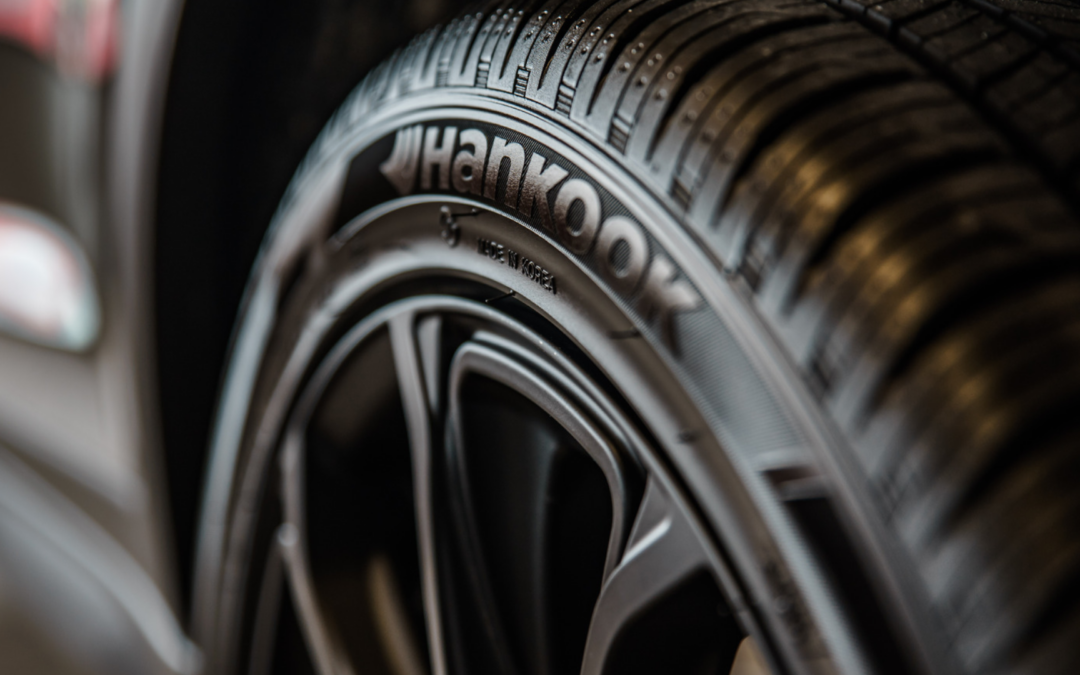
While suspension problems can certainly cause a rough ride, the problem may actually be coming from your tires or wheels. Tire damage, uneven wear, incorrect pressure, flat spots, wheel balance problems, and other issues can all change how your vehicle feels on the road.
1. Your Tires May Have Flat Spots
Tires are designed to remain round, but under certain conditions, they can develop areas that don’t behave exactly like the rest of the tire—commonly referred to as flat spots.
Temporary flat spotting can occur after a vehicle has been parked for an extended period, particularly in cold temperatures. You may notice rhythmic bumping, vibration, or thumping that speeds up as you accelerate.
While temporary flat spots smooth out as tires warm up, persistent bumping should be evaluated to rule out internal belt damage.
2. A Tire Could Have Internal Damage
Not all tire damage is visible from the outside. A tire can develop internal structural belt separation that distorts its shape and prevents it from rolling smoothly.
Symptoms include bumping, severe vibration, tread bulges, steering wheel wobble, and vehicle instability. As emphasized in federal safety standards from the NHTSA, driving on an internally compromised tire presents a major blowout hazard and requires immediate replacement.
3. Uneven Tire Wear Can Make the Ride Feel Rough
Alignment problems, suspension wear, incorrect inflation, and bad balance create irregular wear patterns. As the tire rotates, those uneven tread blocks repeatedly contact the road, mimicking a rough surface on smooth asphalt.
Getting a regular vehicle inspection helps identify alignment shifts before uneven wear destroys the tire set.

4. Incorrect Tire Pressure Can Affect Ride Quality
Overinflated tires create a harsh, stiff ride because the center of the tread carries excessive load and cannot absorb small road imperfections. Underinflated tires increase heat buildup and alter handling.
According to maintenance advisories on AAA Auto Repair, always inflate tires to the cold PSI listed on the driver-side door placard, not the maximum pressure molded on the tire sidewall.
5. Your Wheels May Be Out of Balance or Bent
Even slight weight distribution differences in a wheel and tire assembly cause noticeable high-speed shaking. Likewise, hitting potholes or curbs can bend a wheel rim, causing a persistent bump that scales directly with vehicle speed.
6. Tire Cupping Can Create a Bumpy Ride
Cupping (or scalloping) creates alternating high and low dips around the tire tread. As the scalloped edges rotate across the pavement, they produce bouncing sensations, humming noises, and heavy vibrations.
Cupping is frequently caused by worn shocks or struts failing to keep the tire firmly pressed against the road. Incorporating shock and strut checks into your routine auto maintenance protects tires from scalloping.

7. The Problem Could Be the Suspension Instead
Worn shocks, struts, control arm bushings, or ball joints can fail to damp wheel oscillations, leaving the vehicle excessively bouncy or harsh even on smooth highways. Because suspension wear and abnormal tire wear reinforce each other, evaluating both systems together is critical.

Professional Inspection Can Find the Real Problem
Installing new tires without addressing bent wheels, out-of-balance assemblies, or worn shocks simply exposes new rubber to premature destruction.
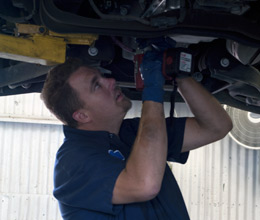
At All Around Auto Repair, our technicians evaluate tire tread patterns, test wheel balance, check for rim runout, and inspect suspension dampers to isolate why your ride feels bumpy on flat roads.
Final Thoughts
If your car feels bumpy on smooth roads, don’t assume it’s just an unpaved road illusion. Internal tire damage, flat spots, wheel imbalance, bent rims, and bad shocks are all prime suspects.
If your vehicle has developed a new vibration or bumpy ride, feel free to contact our expert team at All Around Auto Repair and schedule an inspection today!
📞 (707) 837-0646
📍 1244 Central Ave, Santa Rosa, CA 95401
🌐 allaroundautorepair.com
All Around Auto Repair – Repair. Maintenance. Service. Since 2001.