
Why Some Repairs Cost More Than You Expected
Few things are more frustrating than bringing your car into a repair shop expecting a simple fix, only to receive an estimate that’s higher than you anticipated. It’s a common reaction. You might think, “It’s just a small part,” or “That shouldn’t take long to fix.” But modern vehicle repairs are often more complex than they appear from the outside.
Understanding why some repairs cost more than expected can help eliminate confusion, build trust, and give you confidence in the value of professional service. In many cases, the cost reflects not just the part itself, but the labor, diagnostic time, technology, and expertise required to do the job correctly.
Cars today are not what they were twenty or thirty years ago. Even basic vehicles now contain dozens of sensors, multiple control modules, intricate wiring systems, and tightly packaged engine compartments. While these advancements improve safety, efficiency, and performance, they also increase the complexity of repairs.

The Reality of Labor and Diagnostic Time
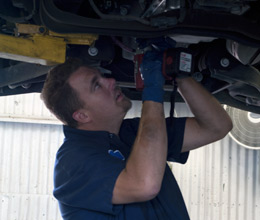
One major factor behind repair costs is labor time. Many components are buried beneath layers of other parts. Replacing something as small as a thermostat or sensor may require removing intake components, brackets, or covers just to gain access. What looks like a simple part replacement may involve several hours of careful disassembly and reassembly.
Labor is not just about turning a wrench. It involves proper torque specifications, correct reinstallation procedures, testing, and ensuring that no other systems are affected. Cutting corners to save time often leads to repeat failures or additional damage. Professional technicians follow manufacturer guidelines to ensure the repair is done correctly the first time.
Diagnostic time is another factor that surprises many drivers. When a Check Engine Light comes on, it may seem like the solution is obvious once a code is read. However, according to Consumer Reports, fault codes often point to a symptom rather than the exact cause. A code may indicate a misfire, but the root cause could be a spark plug, ignition coil, fuel injector, compression issue, or even a wiring problem.
Accurate diagnosis requires specialized scan tools, live data analysis, and sometimes hands-on testing. Identifying the true cause prevents unnecessary parts replacement and ensures you are not paying for repairs that do not solve the issue. That vehicle diagnostics process takes time and expertise, and it is a critical part of the repair.

Parts Quality and System Integration
Parts quality also affects cost. Not all replacement parts are created equal. High-quality components designed to meet or exceed manufacturer standards cost more than low-grade alternatives. While cheaper parts may seem appealing, data from Kelley Blue Book shows they often wear out faster or fail prematurely. Choosing quality parts protects your vehicle and reduces the likelihood of repeat repairs.
Modern vehicles also integrate multiple systems. For example, replacing a battery in some vehicles requires reprogramming certain modules. Replacing a windshield may involve recalibrating driver assistance systems like lane departure warning or adaptive cruise control. These additional steps add to labor time but are necessary for safety and proper functionality.
Hidden damage is another reason estimates sometimes increase after inspection. A vehicle may come in for brake repair needs due to noise, and during inspection, technicians may discover worn rotors or seized calipers. A coolant leak may reveal weakened hoses or corrosion in surrounding components. Addressing all related issues at once prevents future breakdowns and saves money in the long run.
Environmental and safety regulations also play a role in repair costs. Modern emissions systems are designed to meet strict standards. Catalytic converters, oxygen sensors, and evaporative emission components are engineered for precision and durability. These parts are often more expensive due to regulatory requirements and material composition.

The Long-Term Value of Expert Service
Technology has made vehicles safer and more efficient, but it has also introduced complexity. Advanced driver assistance systems rely on cameras, radar sensors, and software integration. Electrical systems communicate across networks within the vehicle. Diagnosing electrical faults often involves tracing wiring diagrams, testing circuits, and verifying software updates.
Professional repair facilities invest in advanced diagnostic equipment, training, and updated software subscriptions. These tools allow technicians to accurately diagnose and repair modern vehicles. While this investment adds to operational costs, it ensures repairs are completed efficiently and correctly.
Another overlooked factor is warranty protection. Reputable repair shops stand behind their work. Offering warranties on parts and labor provides peace of mind. If something goes wrong, you are protected. That level of accountability is built into the overall cost of professional service.
It is also important to consider the long-term value of a proper repair. Industry insights from Carfax emphasize that addressing issues early always prevents cascading damage. A small oil leak repaired promptly may prevent engine contamination. Replacing worn suspension components can protect tires and steering parts. Preventive repairs may seem costly upfront, but they reduce the likelihood of much larger expenses later.
When drivers compare estimates, it is important to look beyond the bottom-line number. Ask what is included. Are high-quality parts being used? Is diagnostic testing part of the service? Is there a warranty? Is the repair being performed according to manufacturer specifications? Transparency in these areas helps clarify the true value of the repair.
Communication is key. A reputable repair shop will explain why a repair is necessary, what happens if it is delayed, and what options are available. Understanding the reasoning behind the estimate builds trust and eliminates the feeling of uncertainty.
Unexpected repair costs are rarely about overcharging for a simple part. More often, they reflect the complexity of modern vehicles, the time required for accurate diagnostics, the quality of parts used, and the importance of doing the job correctly.
At All Around Auto Repair, repairs are approached with thorough diagnostics and clear communication. The goal is not just to fix a symptom, but to address the root cause and protect your vehicle’s long-term reliability. Providing accurate estimates and explaining the work involved ensures customers understand exactly what they are paying for.
Cars are sophisticated machines that require precision and expertise. While no one enjoys unexpected expenses, understanding what goes into a repair helps put the cost into perspective. In many cases, paying for a proper repair today prevents far more expensive problems tomorrow.
If you ever receive an estimate that seems higher than expected, don’t hesitate to ask questions. A knowledgeable technician will gladly explain the process and the value behind the repair. Your vehicle’s safety, performance, and longevity depend on it.
If you would like a professional inspection or need help understanding a repair recommendation, contact All Around Auto Repair today.
📞 (707) 837-0646
📍 1244 Central Ave, Santa Rosa, CA 95401
All Around Auto Repair – Repair. Maintenance. Service. Since 2001.