What Does a Full Vehicle Inspection Include?
Your car may seem perfectly fine. There are no warning lights, no strange noises, and nothing obviously wrong when you drive.
So why would you pay for a vehicle inspection?
Because many automotive problems begin long before they create noticeable symptoms. A small fluid leak, worn suspension component, weak battery, or deteriorating belt can develop quietly until it eventually causes a breakdown or a much more expensive repair.
A full vehicle inspection gives you a clearer picture of your car’s overall condition and helps identify problems while they’re still manageable. Following comprehensive automotive care advice, such as guides provided by Consumer Reports, periodic professional checks ensure long-term reliability and driver safety.
What Is a Full Vehicle Inspection?
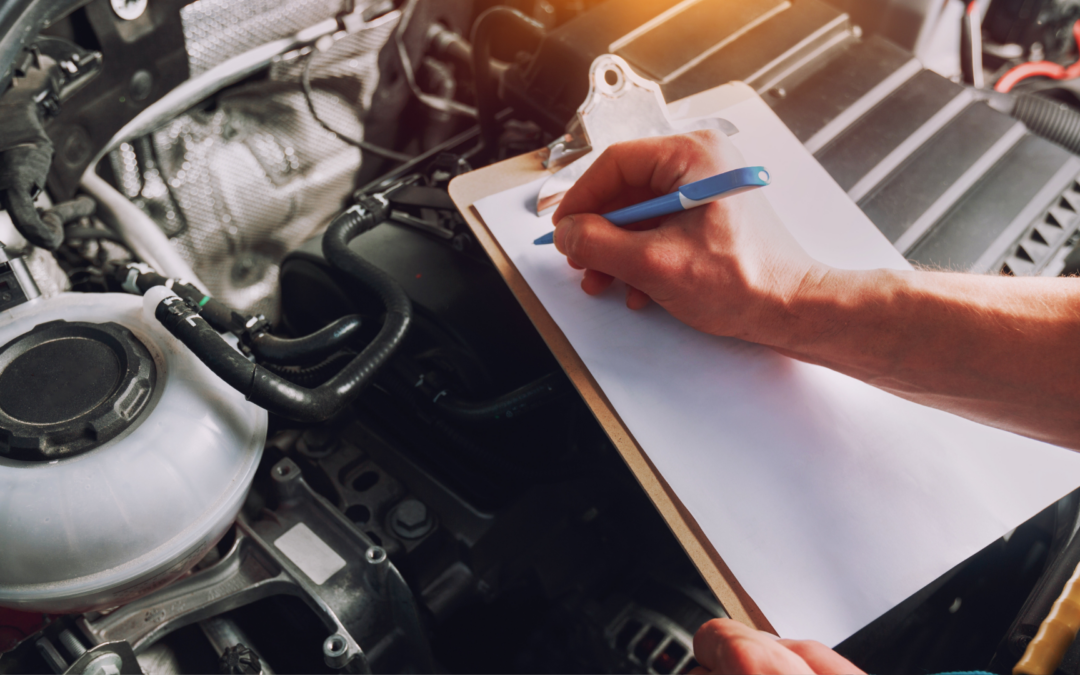
A full vehicle inspection is a comprehensive evaluation of your vehicle’s major systems and components.
Instead of focusing on one specific problem, technicians examine multiple areas of the vehicle to identify wear, leaks, damage, safety concerns, and maintenance needs.
Depending on the vehicle and its condition, an inspection may include the engine, transmission, brakes, tires, suspension, steering, fluids, battery, cooling system, belts, hoses, lights, and other important components.
The goal is simple: find potential problems before they become unexpected repairs.
1. Engine and Fluid Inspection
The engine is one of the first areas that should be evaluated.
Technicians may look for:
- Engine oil leaks
- Low fluid levels
- Coolant leaks
- Unusual engine noises
- Damaged hoses
- Worn belts
- Signs of overheating
Fluid condition can also provide valuable information about how well a vehicle has been maintained. Catching a small oil or coolant leak early can prevent much more serious engine problems later.
2. Brake System Inspection
Your brakes are one of your vehicle’s most important safety systems. Safety recommendations from federal agencies like the NHTSA emphasize routine brake component evaluations for maximum road protection.
A comprehensive inspection may include checking:
- Brake pad thickness
- Brake rotor condition
- Brake fluid
- Calipers
- Brake hoses and lines
- Signs of uneven brake wear
Drivers often wait until their brakes start squealing or grinding before scheduling service. However, identifying worn brake components before they reach that point can help protect other parts of the braking system and reduce repair costs.

3. Tires and Wheel Condition
Your tires can reveal a surprising amount about the condition of your vehicle.
Technicians inspect:
- Tire pressure
- Tread depth
- Uneven wear
- Cracks or visible damage
- Tire age
- Abnormal wear patterns
Uneven tire wear may indicate more than a tire problem. It can also point to alignment, steering, or suspension issues. Keeping your tires in good condition improves traction, handling, braking, and overall safety.
4. Steering and Suspension
Suspension and steering components wear gradually, which means drivers often adapt to changes without noticing them.
During an inspection, technicians may evaluate:
- Shocks and struts
- Ball joints
- Control arms
- Bushings
- Tie rods
- Steering components
- Wheel bearings
Worn components can cause poor handling, vibrations, uneven tire wear, clunking noises, or a vehicle that pulls to one side. Identifying these issues early helps keep the vehicle stable and predictable.
5. Battery and Charging System
A battery can become weak long before it completely fails. That’s why checking the battery and charging system is an important part of preventive vehicle care.
Technicians may evaluate:
- Battery condition
- Battery terminals
- Charging voltage
- Alternator performance
- Starting system operation
Testing these components can help identify problems before you walk outside one morning and discover that your vehicle won’t start.
6. Cooling System
Your engine generates tremendous heat, and the cooling system is responsible for keeping temperatures under control.
An inspection may include:
- Coolant level and condition
- Radiator
- Cooling hoses
- Water pump area
- Thermostat-related symptoms
- Cooling fans
- Visible coolant leaks
Even a small cooling system problem can eventually lead to overheating. Because overheating can cause severe engine damage, catching coolant leaks and worn components early is especially important.

7. Belts and Hoses
Belts and hoses may not receive much attention until one fails. Unfortunately, failure can leave you stranded or even cause engine damage.
Technicians look for:
- Cracks
- Fraying
- Swelling
- Fluid contamination
- Loose connections
- Signs of age or deterioration
These components often deteriorate because of both mileage and age, so even low-mileage vehicles can benefit from regular inspections.
8. Transmission and Drivetrain
The transmission and drivetrain are responsible for transferring engine power to the wheels.
Technicians may look for:
- Fluid leaks
- Unusual noises
- Delayed engagement
- Rough shifting
- CV axle or joint concerns
- Drivetrain vibrations
Transmission problems can become extremely expensive when ignored, making early detection particularly valuable.
9. Lights, Wipers, and Visibility
Some of the simplest components are also important for safety.
A vehicle inspection may include checking:
- Headlights
- Brake lights
- Turn signals
- Hazard lights
- Windshield wipers
- Washer system
These items are inexpensive compared with major mechanical repairs, but they play an important role in helping you see—and helping other drivers see you. Staying on top of seasonal visibility needs, such as scheduling regular air conditioning service and wiper inspection, helps ensure safer driving in all weather conditions.
10. Computer Diagnostics When Needed
Modern vehicles contain dozens of computers and sensors. If a warning light is present or technicians notice an abnormal condition, diagnostic equipment can help provide additional information.
A diagnostic scan may reveal:
- Current trouble codes
- Pending trouble codes
- Misfire information
- Sensor faults
- Emissions system problems
- Other electronically monitored issues
A scan alone doesn’t diagnose every problem, but combined with professional testing and inspection, it can help technicians identify the root cause.
When Should You Get a Full Vehicle Inspection?
You don’t have to wait until something goes wrong. A comprehensive inspection can be especially valuable:
- Before a long road trip
- Before buying a used vehicle
- Before selling your vehicle
- When purchasing an older or high-mileage car
- If the vehicle has been sitting for a long time
- When you notice changes in handling or performance
- If you’re unsure about the vehicle’s maintenance history
Regular inspections are also useful for drivers who plan to keep their vehicles for many years, a strategy supported by vehicle ownership insights on Kelley Blue Book.
Is a Full Vehicle Inspection Worth It?
In many cases, yes.
The real value of an inspection isn’t simply finding something that needs repair today. It’s understanding the importance of auto inspections and what condition your vehicle is in so you can manage future service needs efficiently.
For example, discovering that your brake pads are approaching the end of their life allows you to plan for service instead of waiting until they begin grinding. Finding a small coolant leak gives you an opportunity to repair it before the engine overheats. Identifying uneven tire wear may help you correct an alignment or suspension issue before you need a new set of tires.

Know What Your Car Needs Before Something Goes Wrong
At All Around Auto Repair, a professional vehicle inspection helps identify safety concerns, maintenance needs, worn components, leaks, and developing mechanical problems.
Instead of waiting for your car to tell you something is wrong through a warning light, strange noise, or breakdown, an inspection allows you to stay ahead of potential problems.
And when repairs are needed, knowing what is urgent and what can be planned for later helps you make better decisions about your vehicle.
Final Thoughts
A full vehicle inspection is one of the simplest ways to understand the true condition of your car.
Your vehicle may drive perfectly today while a battery is weakening, brakes are wearing, a small leak is developing, or suspension components are beginning to deteriorate.
Finding those problems early can help you avoid larger repair bills, improve safety, and keep your vehicle reliable for longer.
If it’s been a while since your vehicle received a comprehensive inspection, feel free to contact our expert technicians at All Around Auto Repair and schedule an appointment today!
📞 (707) 837-0646
📍 1244 Central Ave, Santa Rosa, CA 95401
🌐 allaroundautorepair.com
All Around Auto Repair – Repair. Maintenance. Service. Since 2001.