When most people think of car maintenance, they picture oil changes, new tires, or maybe brake service. The suspension system, however, rarely gets the attention it deserves. Yet your suspension does more than just make the ride smooth, it plays a major role in handling, braking, and overall safety.
If you’ve ever noticed your car bouncing more than usual after hitting a bump, drifting during turns, or hearing clunks when going over potholes, chances are your suspension is trying to get your attention. Ignoring it can lead to uneven tire wear, costly repairs, and unsafe driving conditions.
In this blog, we’ll dive into what your suspension does, the signs of trouble, and why regular suspension service keeps your car safe and comfortable on the road.
What your suspension system really does
Your suspension isn’t just a set of springs and shocks, it’s a network of components that connect your car to the road. Its main jobs are:
- Absorbing Road Impacts – Potholes, bumps, and uneven pavement would be unbearable without suspension. Shocks and struts absorb those jolts so you don’t feel every crack in the road.
- Maintaining Tire Contact – A healthy suspension ensures your tires stay firmly on the ground for proper traction.
- Supporting Steering and Stability – The suspension works with your steering system to keep the car stable and responsive, even at high speeds or around sharp turns.
Simply put: suspension is about far more than comfort. It’s about safety and control.

Common signs your suspension needs attention
Most suspension issues develop gradually, so it’s easy to get used to the symptoms without realizing there’s a problem. Here are some warning signs:
- Excessive Bouncing: If your car keeps bouncing after going over a bump, your shocks or struts may be worn.
- Pulling or Drifting: If your car drifts during turns, it could mean worn shocks are reducing stability.
- Uneven Tire Wear: Misaligned or failing suspension components can make tires wear faster on one side.
- Clunking or Rattling Noises: Strange sounds when going over bumps may indicate loose or damaged suspension parts.
- Nose Dives When Braking: If the front of your car dips down sharply when braking, it’s a clear sign your suspension isn’t absorbing weight properly.
If you notice any of these symptoms, it’s time for a professional inspection.
How Suspension Problems Affect Safety
A bad suspension system isn’t just uncomfortable, it’s dangerous. Here’s why:
- Longer Braking Distances: Worn shocks reduce your car’s ability to stop quickly. Studies show braking distance can increase by up to 20% with a failing suspension.
- Reduced Steering Control: A compromised suspension can make steering less precise, increasing the risk of losing control.
- Tire Blowouts: Uneven wear caused by bad suspension puts extra stress on tires, increasing the chance of failure.
When your suspension is weak, every other system, brakes, steering, and tires, has to work harder. That’s why staying ahead of suspension maintenance is critical.
Why Potholes and Rough Roads Make Things Worse
If you live in an area with harsh winters, potholes are a common enemy of suspension systems. Hitting even one deep pothole can bend suspension components, throw off alignment, or damage shocks.
Over time, repeated impacts accelerate wear and tear. That’s why it’s smart to schedule a suspension check in the spring, after pothole season, and again before long road trips.

Key components of suspension service
A complete suspension service involves more than just replacing shocks. Here’s what mechanics check:
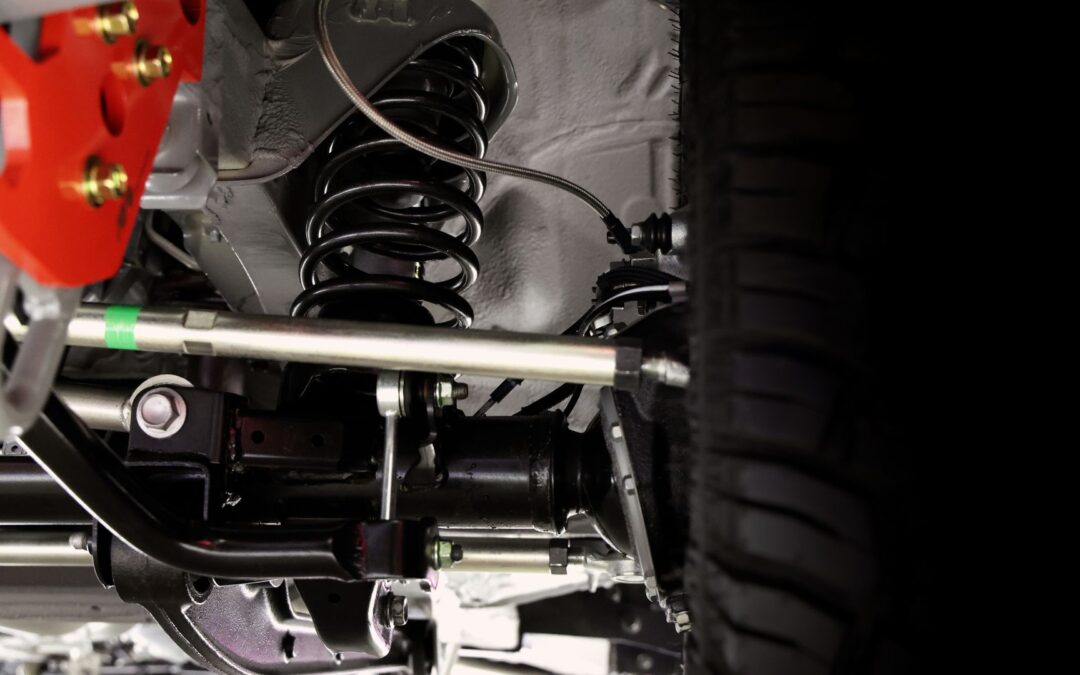
- Shocks and Struts: The main components that absorb bumps and stabilize the ride.
- Control Arms and Bushings: Connect the wheels to the frame and allow controlled movement.
- Ball Joints and Tie Rods: Critical for steering and wheel alignment.
- Springs: Support the weight of the car and absorb large impacts.
- Alignment: Ensures all four wheels are properly angled for safety and efficiency.
Catching wear early prevents a small issue (like a worn bushing) from turning into major damage.
The connection between suspension and tire life
Tires are expensive, and poor suspension is one of the fastest ways to ruin them. When suspension parts wear out, the tires can no longer maintain even contact with the road. This leads to:
- Cupping: Uneven patches of wear.
- Feathering: Smooth wear on one side and sharp on the other.
- Edge Wear: Excess wear on the inside or outside edge of the tire.
Replacing suspension components when needed can extend tire life by thousands of miles, saving money in the long run.
How often should you service your suspension?
There isn’t a set mileage like oil changes, but most experts recommend:
- Inspections every 12,000–15,000 miles (usually once a year).
- Replacement of shocks/struts every 50,000–100,000 miles, depending on driving conditions.
If you frequently drive on rough roads or carry heavy loads, your suspension may wear out faster.
Preventive maintenance vs. emergency repairs
Like most car systems, suspension service is cheaper when done early. Replacing worn shocks or bushings costs far less than letting the problem damage tires, brakes, or the entire steering system.
Think of suspension checks as preventive care for your car. Just as you’d visit the doctor for a yearly checkup, your car needs regular inspections to catch problems before they get worse.

Final thoughts: Don’t overlook suspension
Your suspension system works quietly in the background, keeping every drive smooth, safe, and controlled. But when it starts to wear out, your car becomes less comfortable, less efficient, and less safe.
By scheduling regular suspension inspections and addressing issues early, you protect your tires, brakes, and steering, and you keep your car handling the way it should.
📞 (707) 837-0646
📍 1244 Central Ave, Santa Rosa, CA 95401
🌐 allaroundautorepair.com
At All Around Auto Repair, our certified technicians provide complete suspension inspections and repairs to keep your ride smooth and safe. If you’ve noticed bouncing, drifting, or uneven tire wear, don’t wait, schedule your suspension check today and drive with confidence.