A new noise coming from your car can be easy to ignore at first, especially if the vehicle still seems to drive normally.
But if you’ve started hearing a whining or high-pitched noise when accelerating, it’s worth paying attention to.
The sound may increase as engine RPM rises, become louder as the vehicle gains speed, or only appear when you’re pressing the accelerator. These differences can provide important clues about where the noise is coming from. According to diagnostic advice on Car and Driver, distinguishing whether a noise tracks engine speed versus wheel speed is the single most effective step in identifying mechanical wear.
A whining sound can be related to the transmission, drivetrain, belts, bearings, power steering system, or other rotating components. Some causes are relatively simple, while others can become much more expensive if they’re ignored. Here are some of the most common reasons your car may make a whining noise when accelerating.
1. Low or Contaminated Transmission Fluid
On vehicles with transmissions that use serviceable fluid, fluid condition and level can affect how the transmission operates. Transmission fluid helps lubricate internal components, control heat, and provide hydraulic pressure where applicable.
If the fluid is too low because of a leak, or if its condition has deteriorated, you may notice symptoms such as:
- Whining or humming noises
- Delayed engagement
- Rough or unusual shifting
- Shuddering
- Transmission slipping
- Changes in how the vehicle accelerates
A transmission-related whine may become more noticeable as the vehicle accelerates or as engine speed changes. However, a whining noise alone doesn’t confirm a transmission fluid problem. A complete vehicle inspection helps confirm fluid health and operating pressure.
2. Internal Transmission Problems
A whining sound can sometimes originate from inside the transmission itself. Transmissions contain numerous gears, bearings, shafts, pumps, and other moving components. Wear or damage to certain internal parts can produce a noticeable whine.
Depending on the problem, the noise may change between gears, become louder under acceleration, change with vehicle speed, appear only when the transmission is under load, or be accompanied by shifting problems.
Transmission noises should be investigated early. As noted in maintenance guides on AAA Auto Repair, identifying internal bearing or pump wear early can prevent catastrophic failure.

3. Serpentine Belt Problems
The serpentine belt drives several accessories on many vehicles, including the alternator, air conditioning compressor, water pump, and power steering pump on applicable designs.
A worn, damaged, loose, or improperly tensioned belt can create unusual noises that change with engine RPM. Inspecting belts and tensioners regularly during routine auto maintenance keeps engine drive systems running quietly and efficiently.
4. Belt Tensioner or Pulley Bearings
Your engine’s accessory drive system contains pulleys and bearings that rotate whenever the engine is running. As these bearings wear, they can begin producing whining, humming, grinding, chirping, or squealing noises.
The sound may increase in pitch as engine RPM rises, which can make it especially noticeable when accelerating. Replacing the belt alone won’t solve the problem if the actual source is a failing tensioner, idler pulley, or accessory bearing.
5. Alternator Problems
The alternator generates electricity while the engine is running and helps keep the battery charged. Because the alternator contains rotating internal components and bearings, wear can sometimes create a whining or grinding noise.
Other possible symptoms of an alternator or charging-system problem include a battery warning light, dim or flickering lights, electrical problems, difficulty starting, or a weak battery.

6. Power Steering System Problems
Some vehicles use hydraulic power steering systems with a belt-driven pump. If the system is low on fluid because of a leak or the pump begins to wear, it may produce a noticeable whining sound, especially when turning the steering wheel.
7. Differential Problems
The differential allows the wheels to rotate at different speeds while still receiving power from the drivetrain. Differential wear, lubrication problems, or bearing issues can produce whining or howling noises that become louder during acceleration or change when you release the accelerator.
8. Driveshaft and Drivetrain Components
Rear-wheel-drive, four-wheel-drive, and all-wheel-drive vehicles have additional drivetrain components like driveshafts, U-joints, center support bearings, and transfer cases that can generate noise. Technical safety guidelines from the NHTSA stress that driveline defects require prompt inspection to maintain vehicle control.
9. Could It Be a Wheel Bearing?
A worn wheel bearing can produce a humming, growling, or whining sound that some drivers initially mistake for an engine or transmission noise. One important difference is that wheel-bearing noise usually follows vehicle speed rather than engine RPM.

Professional Diagnostics Can Find the Real Source
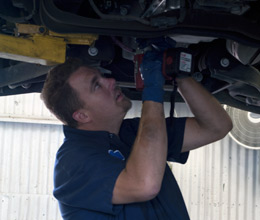
Because sound travels through a vehicle’s frame, guessing where a whine originates can quickly lead to unnecessary parts replacement. At All Around Auto Repair, technicians road-test your vehicle, isolate whether the noise tracks RPM or vehicle speed, and inspect belts, pulleys, differentials, wheel bearings, and transmission components to pinpoint the true issue.
Final Thoughts
If your car has started making a whining noise when accelerating, don’t assume it’s simply a harmless aging sound. Low transmission fluid, failing accessory bearings, power steering leaks, or differential wear can all cause progressive damage if ignored.
If your vehicle has developed a new whining noise during acceleration, feel free to contact our expert team at All Around Auto Repair and schedule an inspection today!
📞 (707) 837-0646
📍 1244 Central Ave, Santa Rosa, CA 95401
🌐 allaroundautorepair.com
All Around Auto Repair – Repair. Maintenance. Service. Since 2001.